
Last updated November 22, 2026
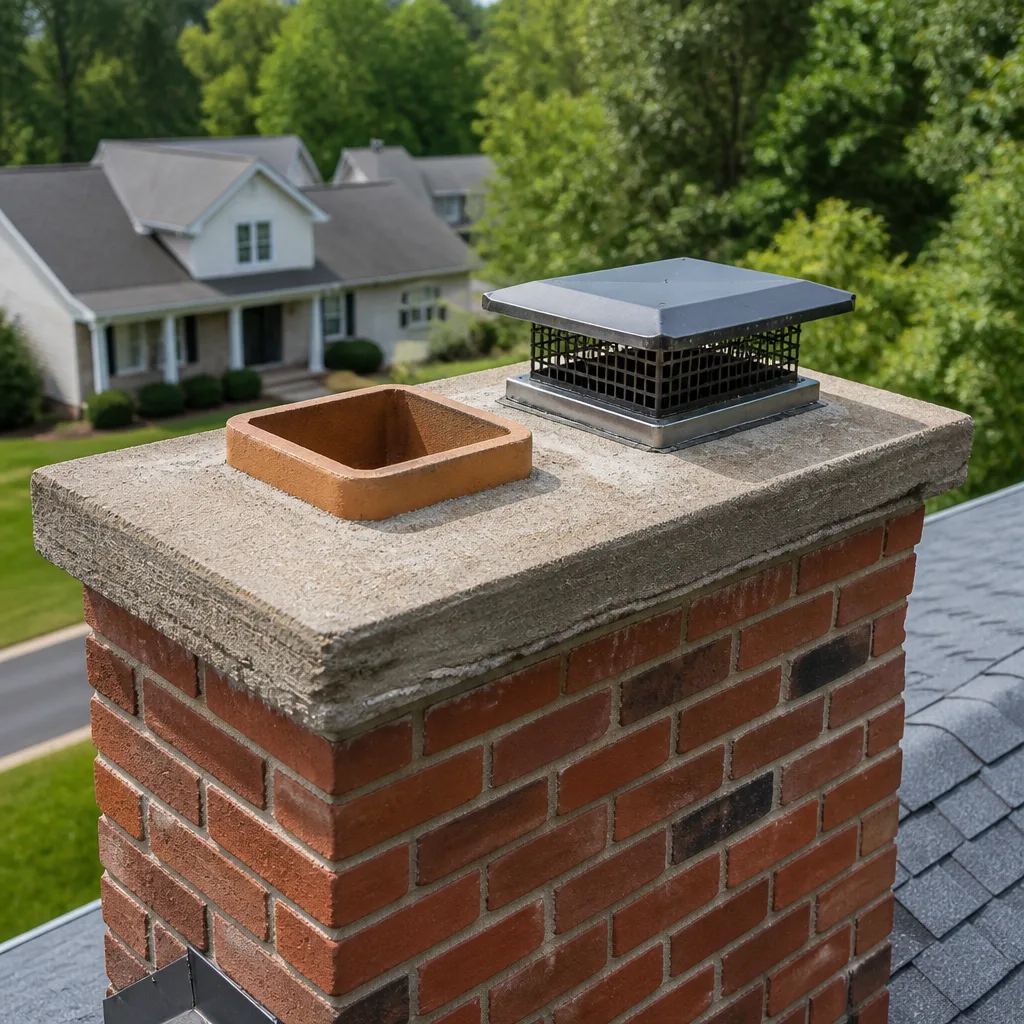 Sweep & inspection
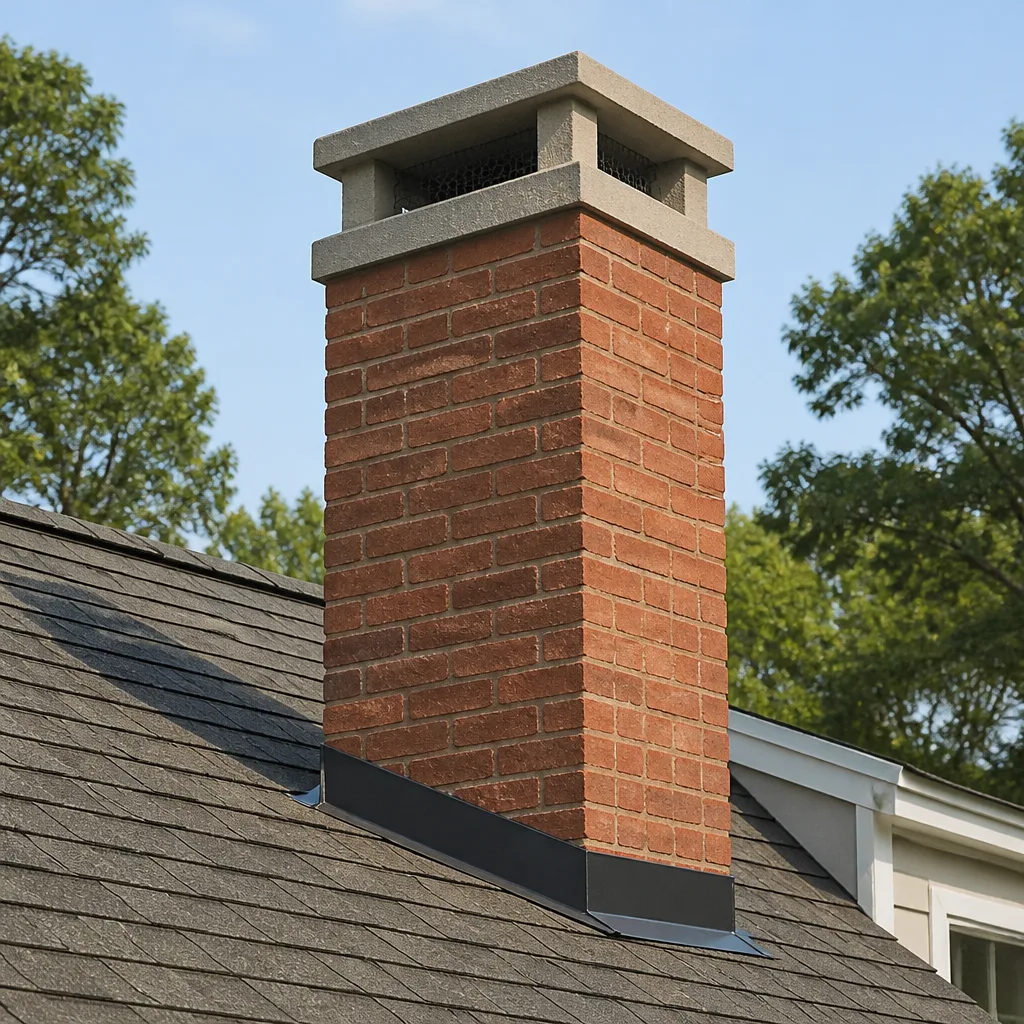 Caps & crowns
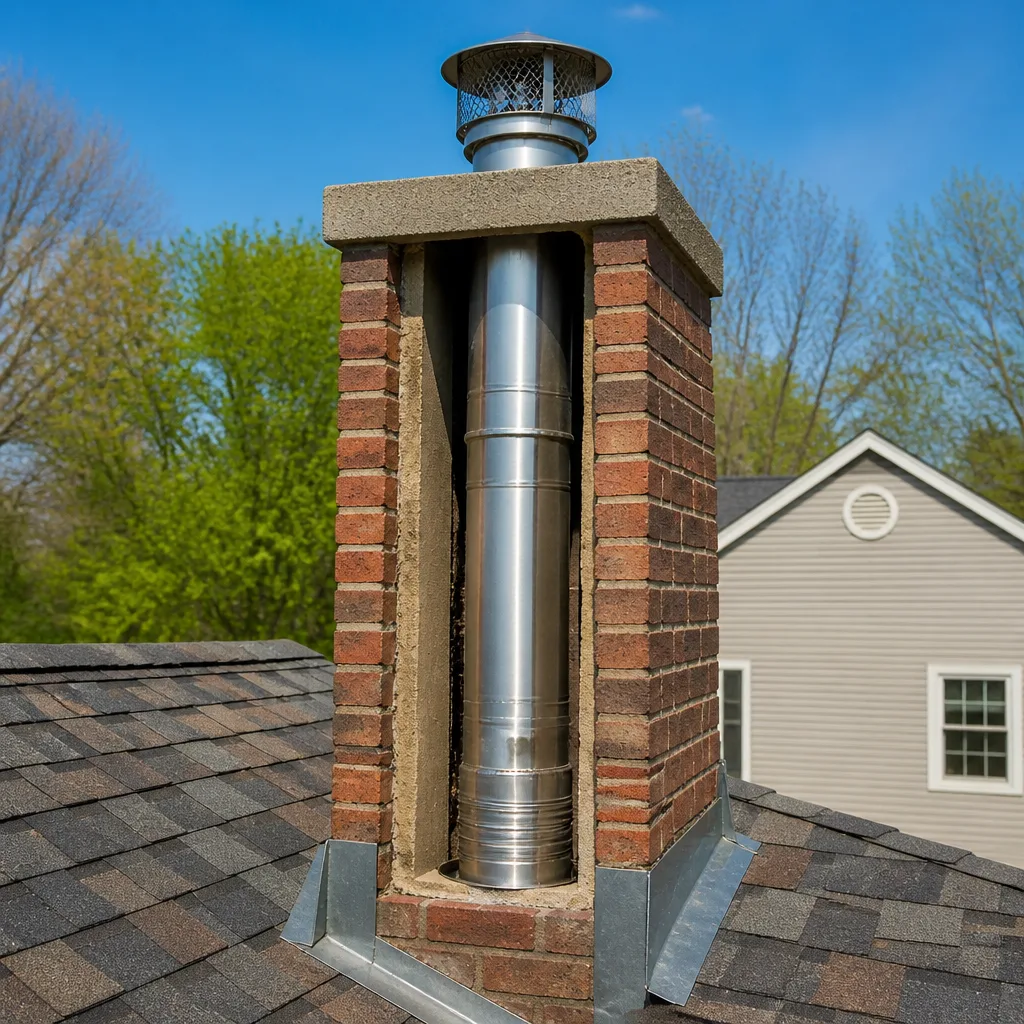 Flue relining
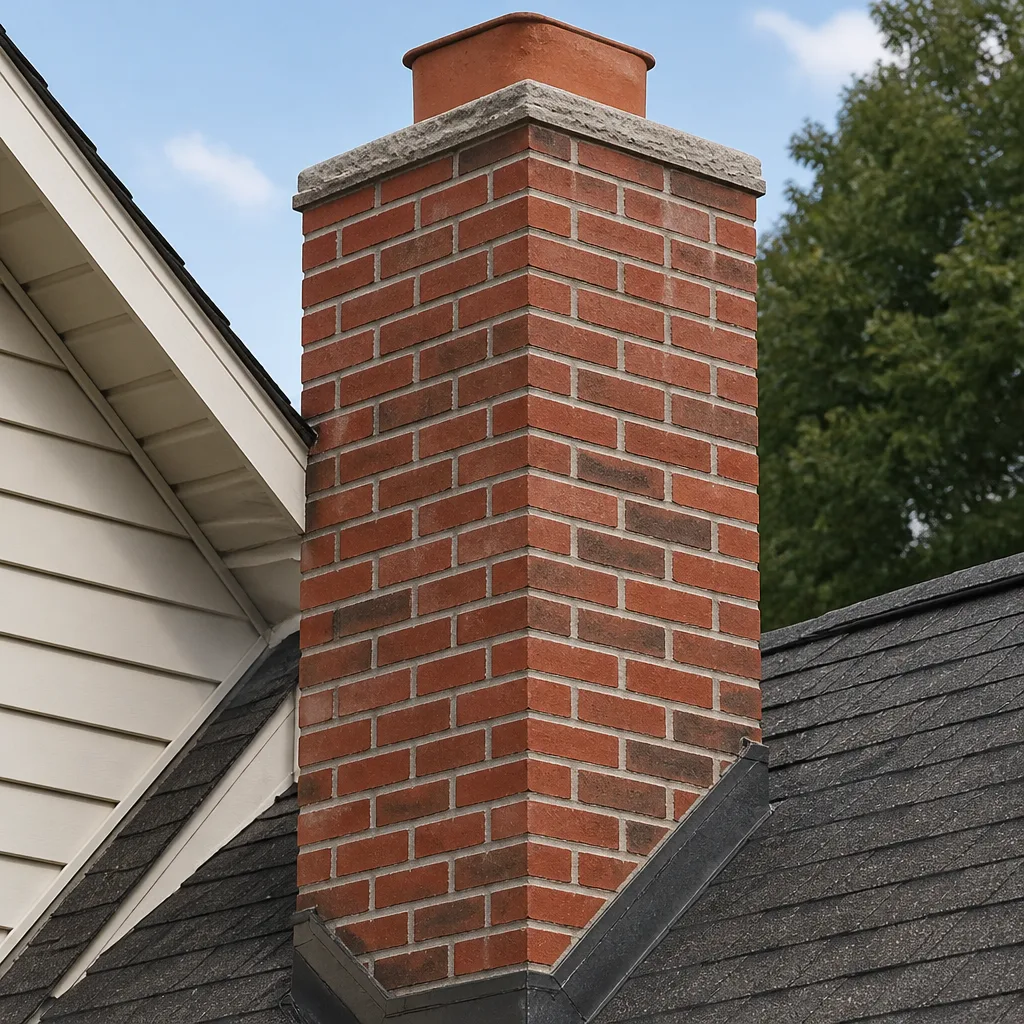 Masonry repair
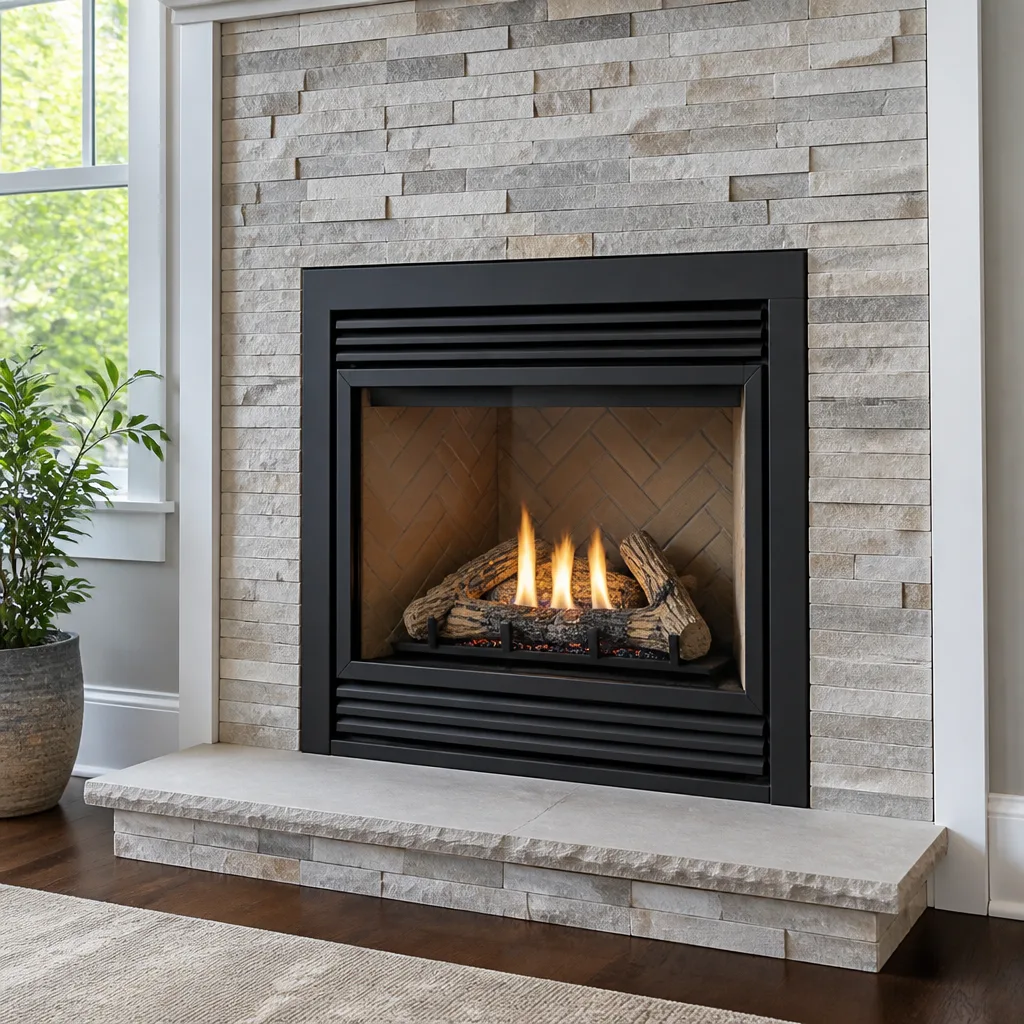 Gas fireplace service
Level 1 sweep and inspection to the NFPA 211 annual standard - flue, crown, cap, and flashing checked and photographed
Chimney sweep logs do not sweep chimneys. They loosen some creosote - which then falls where a brush and vacuum still have to collect it.
Chimney Cleaning Permits, Codes & Inspections in Mayfair, PA: What You Need to Know
Most Mayfair homeowners assume the permit question starts and ends with the sweep. It doesn’t. The cleaning itself is routine maintenance and almost never needs a permit. The trouble begins after the camera goes down the flue and finds a cracked liner joint, a spalled crown, or a firebox that’s been quietly deteriorating behind the brick. That’s where Pennsylvania’s Uniform Construction Code kicks in, and where work done without a permit can turn into an insurance headache if a fire ever happens. This guide walks through exactly where the line sits: what the UCC covers, which repairs trigger a permit, how NFPA 211 inspections interact with local enforcement, and what a proper inspection report should contain so you have documentation that holds up when you sell.
Quick Answer
In Mayfair, PA, routine chimney cleaning does not require a permit, but most repair and replacement work does. Relining a flue, rebuilding a chimney above the roofline, replacing a crown or chase cover, and any structural alteration to the chimney fall under Pennsylvania’s Uniform Construction Code and require a permit from the local code official. A Level 2 inspection per NFPA 211 is the standard way to document condition before and after that work.
Styles & brands we work with
- Sweep & inspection
- Caps & crowns
- Flue relining
- Masonry repair
- Gas fireplace service
Table of Contents
- What Pennsylvania’s UCC Covers for Chimney Work
- Repair and Replacement: What Triggers a Permit
- How NFPA 211 and PA Code Enforcement Work Together
- What a Code-Compliant Inspection Report Contains
- How to Formally Request an Inspection
- Unpermitted Work, Insurance Claims, and Home Sale Disclosures
- Mayfair Climate, Housing Stock, and Why Captured Moisture Matters
- The Permit and Inspection Process, Step by Step
What Pennsylvania’s UCC Covers for Chimney Work
The Uniform Construction Code is Pennsylvania’s statewide building code, and it adopts the International Residential Code for one- and two-family dwellings. Chimneys fall under that umbrella in several places: masonry construction, clearance to combustibles, hearth extension dimensions, flue sizing, and the requirements for factory-built fireplaces and their venting systems. When a Mayfair homeowner pulls a permit for chimney work, the code official is checking against the UCC as adopted, plus any local amendments the municipality has on the books.
Here’s the part most homeowners miss. The UCC doesn’t distinguish between “big” chimney projects and “small” ones. It looks at whether the work is a repair that restores a component to its original condition or an alteration that changes the system. Replacing a cracked flue tile with a new tile of the same dimensions is typically a repair. Installing a stainless steel liner that changes the flue’s effective diameter, or switching from a masonry flue to a listed factory-built system, is an alteration. Alterations get permits. Repairs often don’t.
Local amendments are where Mayfair-area homeowners need to be careful. Some municipalities adopt the UCC with additions covering historic districts, steep-slope setbacks, or additional fire separation requirements. The right move before any chimney project is a call to the local building department to confirm what’s on file for your address. If you’re not sure who to call, ask us during the estimate and we’ll point you to the correct office.
What the UCC does not do is require a permit for cleaning, sweeping, or a Level 1 visual inspection. Those are maintenance activities and the code has no interest in them. This is the core distinction in this guide: cleaning is not permitted, but the repairs cleaning uncovers usually are.
Repair and Replacement: What Triggers a Permit
Homeowners ask us this every week: “Do I actually need a permit for that?” The answer depends on what’s being done, not how expensive it is. A $400 repair can need a permit while a $2,000 cleaning and inspection does not. Here’s how the thresholds shake out in practice.
Work that generally does not need a permit:
- Annual chimney sweeping and creosote removal
- Level 1 visual inspection with a camera
- Replacing a chimney cap with a like-for-like unit
- Repointing mortar joints on a limited basis that doesn’t alter the structure
- Minor firebox cleaning and refractory mortar touch-up
Work that generally does need a permit:
- Liner installation or replacement, including flexible stainless systems like DuraFlex
- Firebox rebuilding that changes dimensions or materials
- Rebuilding the chimney above the roofline
- Replacing a masonry crown where the original crown is being demolished and recast
- Installation of a new appliance (insert, stove, or fireplace) that changes the venting arrangement
- Chase cover replacement on a prefabricated chimney when the new cover changes the profile
- Any structural alteration to the chimney chase, stack, or foundation
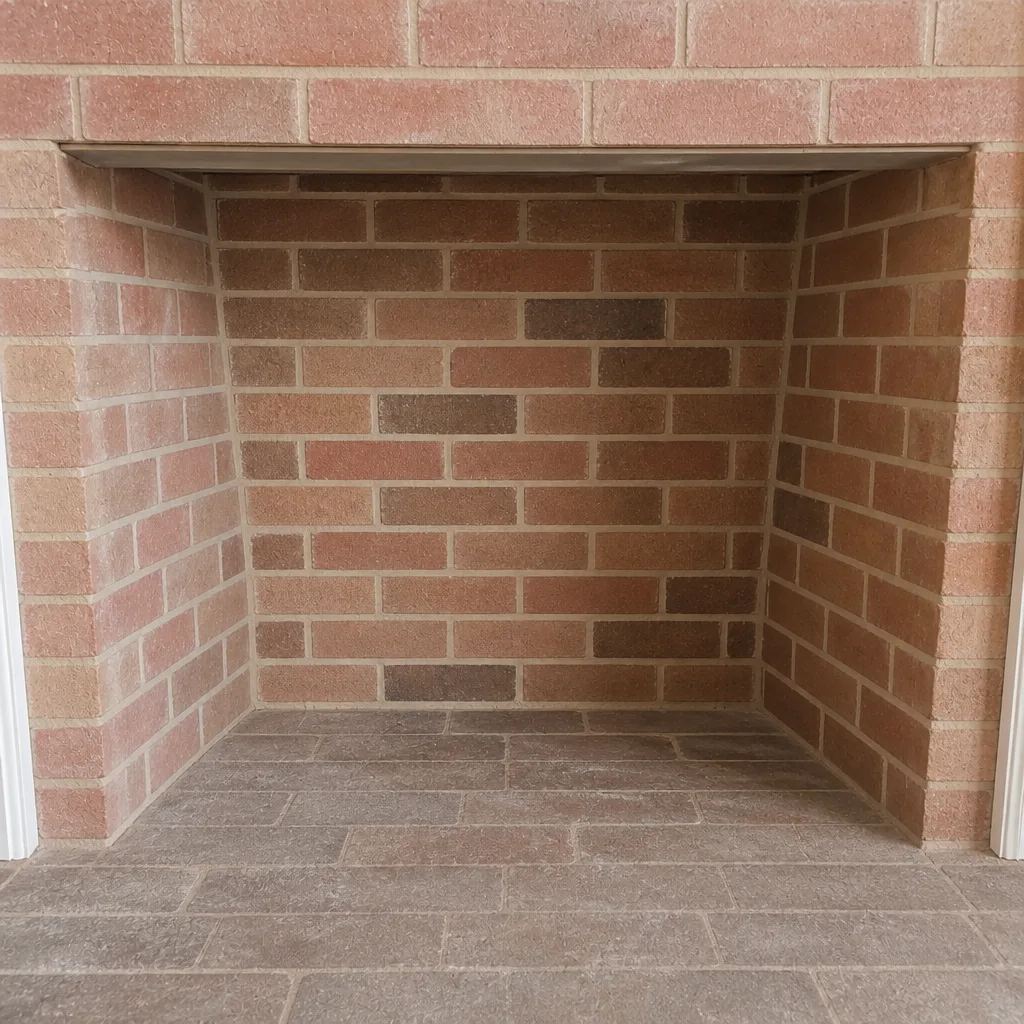
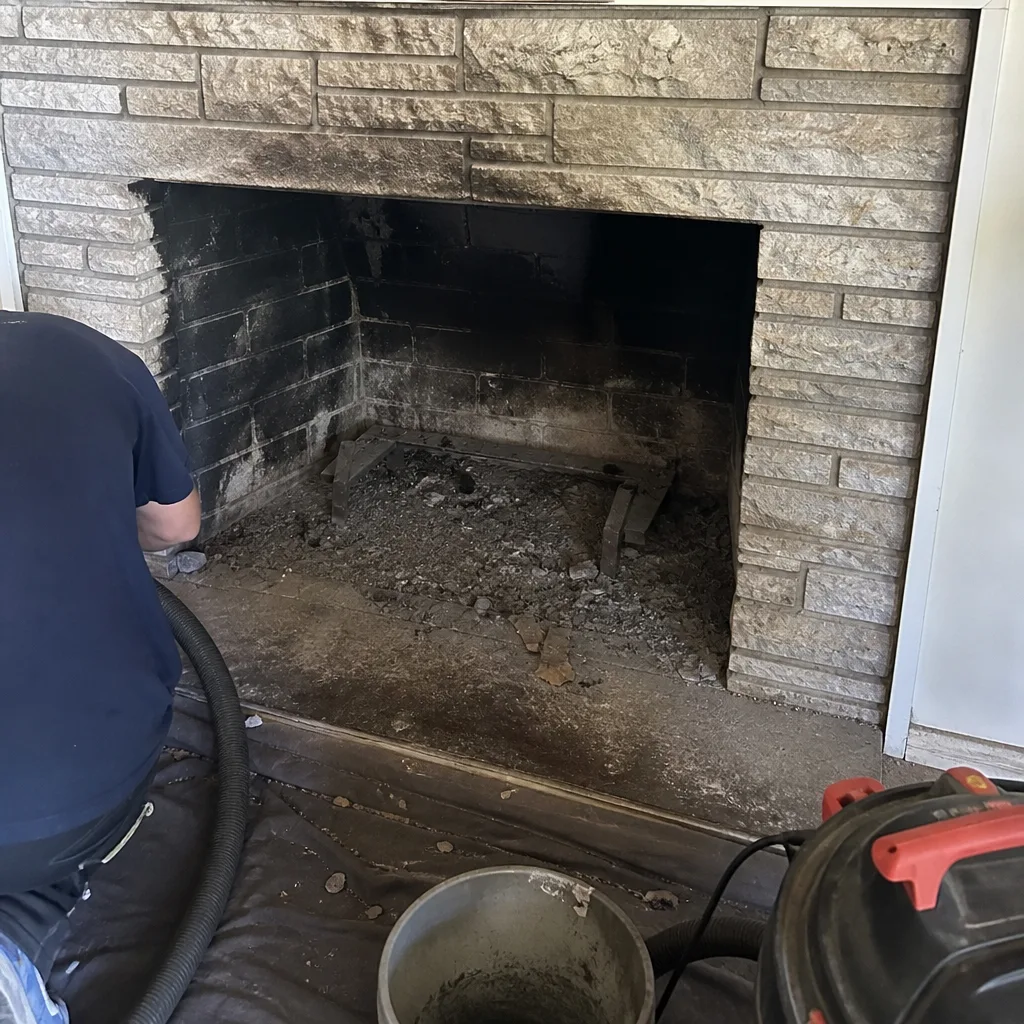
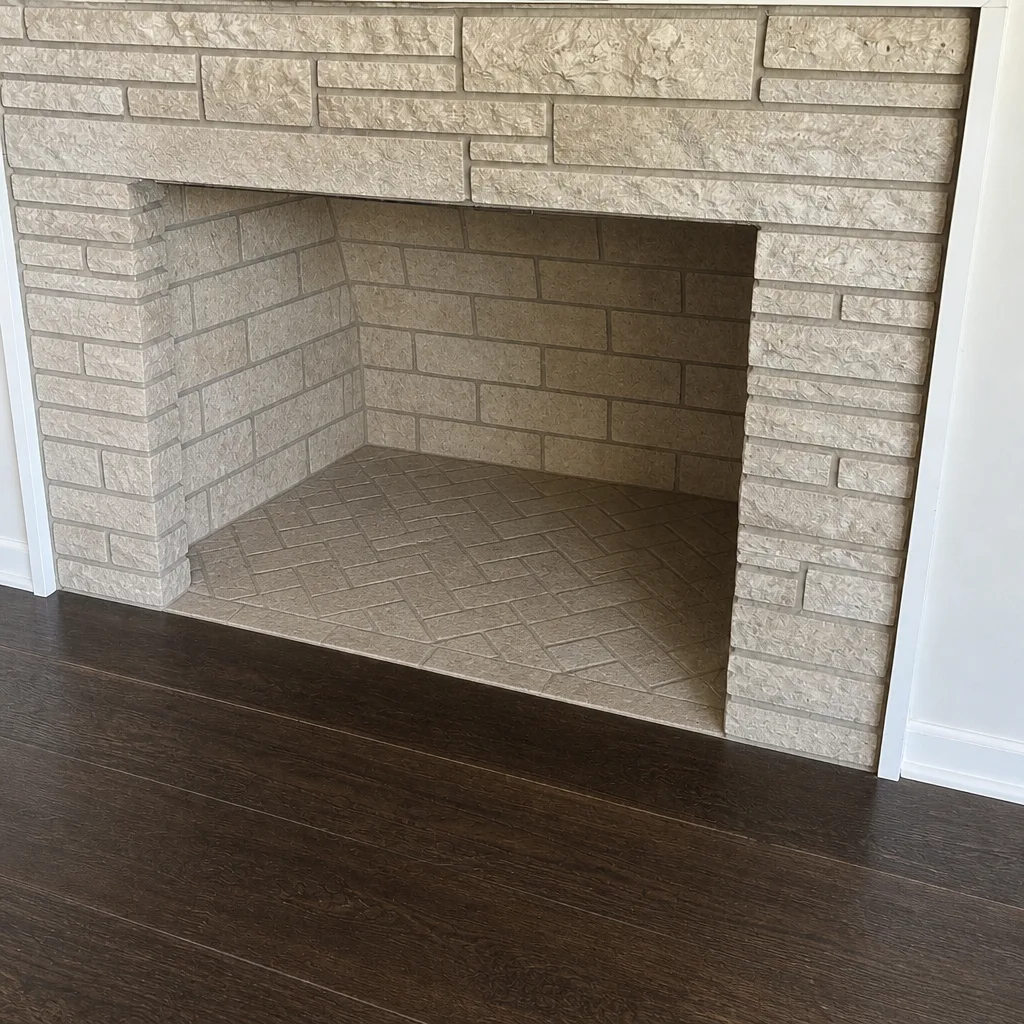
There’s a gray area worth naming. HeatShield resurfacing, which we use to restore deteriorating fireboxes and seal liner joints without full demolition, can be treated as a repair or an alteration depending on the scope. On a small area of spalling, most Mayfair-area code officials treat it as a repair. When a whole firebox is being relined, expect a permit. Ask the question up front. The permit is not the enemy – the surprise is.
How NFPA 211 and PA Code Enforcement Work Together
NFPA 211 is the national standard for chimneys, fireplaces, vents, and solid fuel-burning appliances. It’s not law on its own, but Pennsylvania’s UCC references it, and code officials, insurance adjusters, and real estate inspectors all lean on it when they need a benchmark for what “correct” looks like. That’s why the standard matters even when a permit isn’t required.
NFPA 211 defines three inspection levels, and knowing which one you need matters:
- Level 1: A visual inspection of accessible portions of the chimney and connected appliance during routine service. This is what you get with an annual sweep.
- Level 2: A more thorough inspection including accessible attic, crawl space, and roof-level portions, plus a video scan of the flue. Required after a chimney fire, after a change of appliance, and before a property sale.
- Level 3: An inspection that requires access to concealed areas, which may mean removing drywall or masonry. Reserved for specific diagnostic situations.
When a code official reviews chimney work in Mayfair, they’re checking the installation against UCC-adopted standards, and NFPA 211 is what that standard points back to. Clearance to combustibles, flue sizing for the appliance, proper termination height above the roof, and the integrity of the liner are all checked in those terms. An inspection report that cites NFPA 211 levels and findings gives you a document the code official, your insurer, and a buyer’s inspector can all read the same way.
In our experience, the disconnect happens when a homeowner gets a cheap inspection that’s really just a sweep report. That’s a Level 1 dressed up as something else. If a permit is on the line or a sale is pending, ask specifically for a Level 2.
What a Code-Compliant Inspection Report Contains
A proper chimney inspection report is a document, not a phone call. If you can’t hand it to a code official or an insurance adjuster and have it stand on its own, it’s not doing its job. Here’s what should be in yours.
- Inspection level and scope – Level 1, 2, or 3, stated explicitly, with the areas accessed
- Sweep and cleanup record – creosote stage and volume, whether the flue is glazed, and photos of what came out
- Video scan findings – still images from the flue, including liner joints, offsets, and the top and bottom terminations
- Chimney exterior condition – crown, chase cover, cap, flashing, and masonry condition, with photo documentation
- Firebox and smoke chamber assessment – including any deterioration that would justify resurfacing
- Appliance and venting compatibility – flue size against the appliance it serves, and any clearances that matter
- Findings with urgency tiers – what’s safe to use now, what needs attention before next season, and what’s an immediate hazard
- Recommendations with NFPA 211 citations – tied to the specific standard the finding relates to
- Photographs – a report without images isn’t verifiable, and a code official will want them
We structure our reports this way because a homeowner should be able to read their own chimney’s condition and understand why each recommendation lands where it does. That’s not a sales document. It’s a record. If a subsequent permit application or insurance claim needs backing, the report is what you submit.
How to Formally Request an Inspection
There’s a difference between booking a sweep and requesting a documented inspection. If the chimney is going to be reviewed by a code official, an insurer, or a buyer’s inspector, get the request in writing so the level and scope match what they need. Here’s the process.
- State the purpose in writing. “Pre-sale inspection,” “post-chimney-fire inspection,” “post-installation verification,” or “annual sweep” all lead to different levels. A quick email or text is enough, but leave a record.
- Specify the inspection level you need. If you’re not sure, say so and describe the situation – the chimney professional will tell you whether Level 1, 2, or 3 applies.
- Confirm the report format. Ask whether photos and video stills are included, and whether the report cites NFPA 211 levels and findings.
- Confirm whether a permit will be required for any recommended work. A professional should tell you before you commit, not after.
- File the report alongside your home records. Keep it where you keep deeds, permits, and appliance manuals. It’s the same category of document.
When a Mayfair homeowner calls us for a formal inspection, we ask these questions before we book, so the report that comes out the other end is the one the code official or buyer needs. Estimates for any recommended work are free and provided in writing, and nothing gets recommended that the camera hasn’t documented. If it can wait, we say so.
Unpermitted Work, Insurance Claims, and Home Sale Disclosures
The scenario plays out the same way in most Mayfair claims we hear about. A chimney fire or carbon monoxide event triggers an insurance claim. The adjuster reviews the loss, then asks for the permit history on the chimney. If a liner was replaced or a chimney rebuilt without a permit, the insurer has grounds to look closely at whether the installation itself contributed to the loss. That doesn’t automatically mean denial, but it opens a conversation no homeowner wants to have after a fire.
Pennsylvania’s real estate disclosure requirements are specific about known material defects. Unpermitted chimney work is one of them. When you sell a home in Mayfair, the buyer’s inspector will look at the chimney, and a missing permit for an obvious recent liner or rebuild is a flag. Best case, you end up pulling an after-the-fact permit and doing remediation before closing. Worst case, the buyer walks or renegotiates. The cost of the permit up front is trivial next to either outcome.
There’s also the code enforcement side. Many municipalities in the Mayfair area have a compliance process for unpermitted work discovered during a sale inspection. Depending on the scope, that can mean an additional inspection, a permit pulled retroactively, or in some cases demolition of non-compliant work. The specifics vary by municipality, which is why we tell homeowners to confirm with their local building department rather than assume.
We can work with your insurer as you sort through documentation. What we can’t do is retroactively permit work someone else performed. If you’re buying a Mayfair home and the chimney has recent-looking work with no paper trail, ask for it before you sign.
Mayfair Climate, Housing Stock, and Why Captured Moisture Matters
Mayfair’s weather does a specific kind of damage to chimneys. The freeze-thaw cycle in southeastern Pennsylvania cycles masonry through expansion and contraction several times each winter, and any crack that lets water in during a thaw will open wider when the next freeze hits. That’s how crowns spall, how flashing fails, and how a chimney that looked fine in October becomes a leak by March.
The housing stock matters too. Many Mayfair homes were built with masonry chimneys designed for coal or oil appliances that later got converted to wood or gas. Those conversions don’t always match the flue to the appliance correctly, and the resulting mismatch can cause draft problems, excess creosote, or condensation that eats at the liner from the inside. A camera inspection catches that mismatch before it becomes a repair.
Captured moisture is the quiet killer. A missing or undersized cap lets rain straight down the flue. A degraded crown lets water into the masonry. A chase cover that wasn’t sized right lets water pool on a prefab chimney top. In each case the damage happens slowly, and by the time the homeowner sees staining on the ceiling or smells a musty odor from the fireplace, the mortar joints behind the brick have been soaking for a while. We specify Gelco and Famco caps because the size and fit matter more than the material – a cap that doesn’t vent correctly traps moisture just as effectively as no cap at all.
For Mayfair homeowners, the practical upshot is that inspections matter more here than they would in a dry climate. Skipping a year because the chimney seems fine is exactly the pattern that ends in a $4,000 rebuild instead of a $300 repair.
The Permit and Inspection Process, Step by Step
Here’s the full sequence for a Mayfair chimney project that requires a permit. Not every project hits every step, but this is the map.
- Call the local building department. Confirm whether the specific work you’re planning needs a permit, and what documentation they’ll want with the application. Ask about local amendments.
- Get the chimney inspected. A Level 2 inspection with photo documentation establishes condition before work begins and confirms the scope matches what the permit will cover.
- Get a written estimate for the work. The scope on the estimate should match the scope on the permit application. If they diverge, pause and reconcile before filing.
- Submit the permit application. Your contractor can often handle this on your behalf, but the homeowner is the permit holder of record. Confirm who is filing and who is listed.
- Complete the work. Any mid-project scope change that alters the system (switching from a partial liner to a full liner, for example) may require an amendment to the permit.
- Arrange the inspection. The code official inspects the installation, and a copy of the signed-off permit is your documentation.
- Get a post-work inspection report. A Level 2 inspection after installation confirms the work performs as intended and gives you a document for insurance and future sale.
- File everything together. Permit, inspection report, estimate, and receipt. This bundle is what a buyer’s inspector will ask for later.
We walk Mayfair homeowners through this sequence before any repair is scheduled, so nothing gets done without documentation that holds up. Every estimate is free and in writing, and a camera inspection with a photo report is included so the reader can see what we see.
Common Mistakes to Avoid
- Assuming cleaning needs a permit. It doesn’t, but that opens a lot of homeowners to skipping the permit question entirely on the repairs that follow. The sweep is maintenance; the liner is a code-regulated installation. Treat them as two different things.
- Taking a contractor’s word that a permit “isn’t necessary.” That answer is convenient for the contractor and often wrong. Confirm with the local building department in Mayfair directly; a two-minute phone call settles it.
- Skipping the post-installation inspection. A Level 2 inspection after a liner install documents both that the work was done right and that the flue meets code. Without it, you have a receipt, not a record.
- Accepting a verbal report or a hand-written note. A proper inspection report has photos, video stills, inspection level, and findings tied to NFPA 211. If it’s not written down, it doesn’t exist when an adjuster asks.
- Pulling an after-the-fact permit only when the sale is pending. Retroactive permitting is more expensive and more complicated than doing it up front. The buyer’s inspector will see a recent liner and ask the obvious question.
- Ignoring the crown and cap when the flue is being relined. Water intrusion from an unsealed crown or undersized cap can damage a new liner within a few seasons. Fix the whole envelope – sweep, liner, cap, crown – in one project, not three separate ones.
- Buying a home in Mayfair with a recent-looking chimney install and no permit paper trail. Ask for the permit and the inspection report before closing. If they’re not available, price the after-the-fact permit and possible remediation into your offer.
See the difference
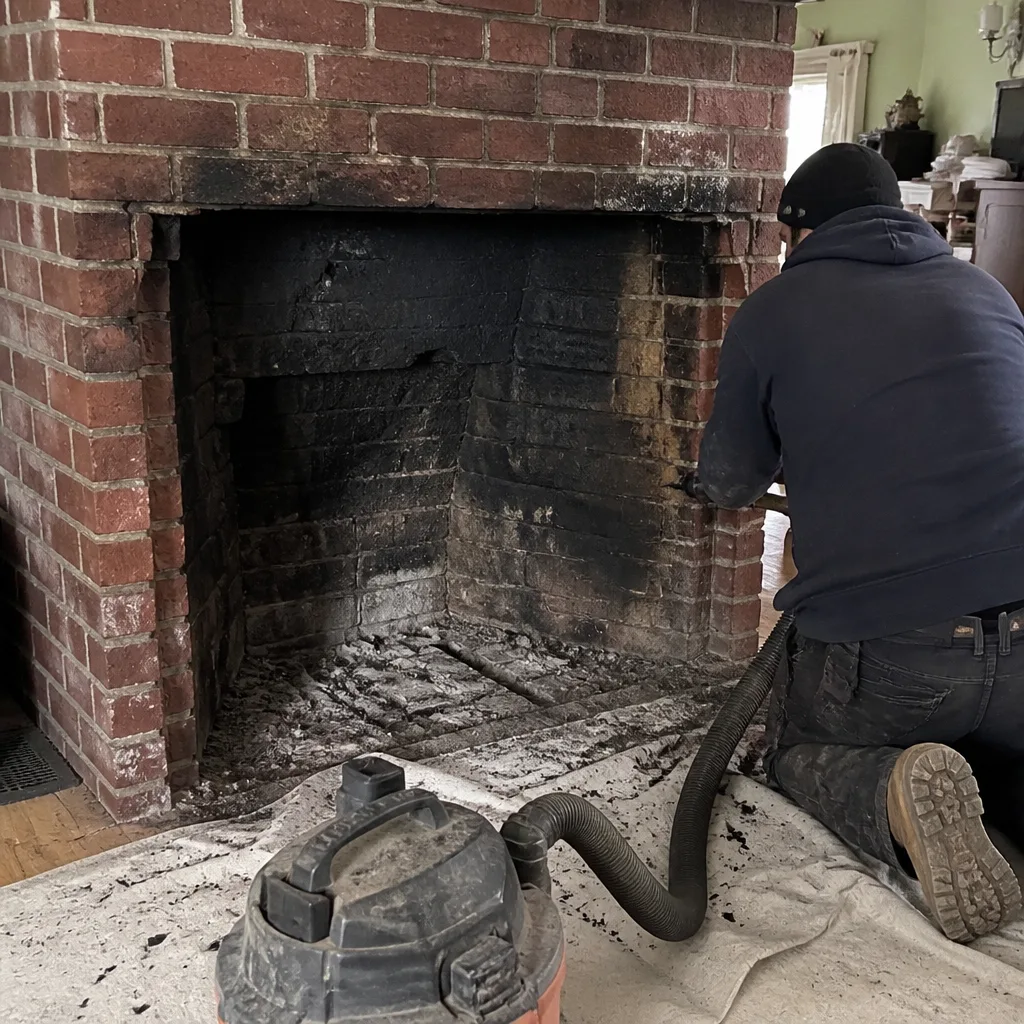 Before
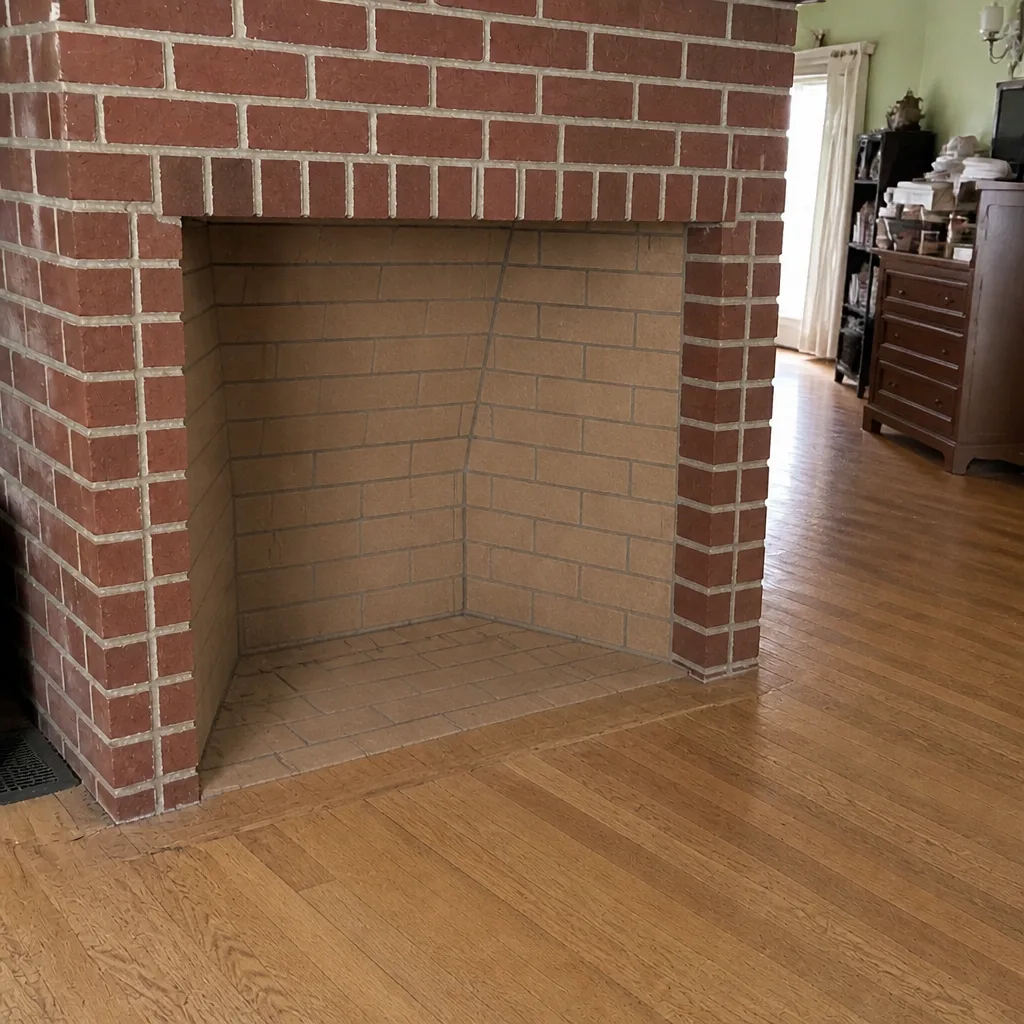 After
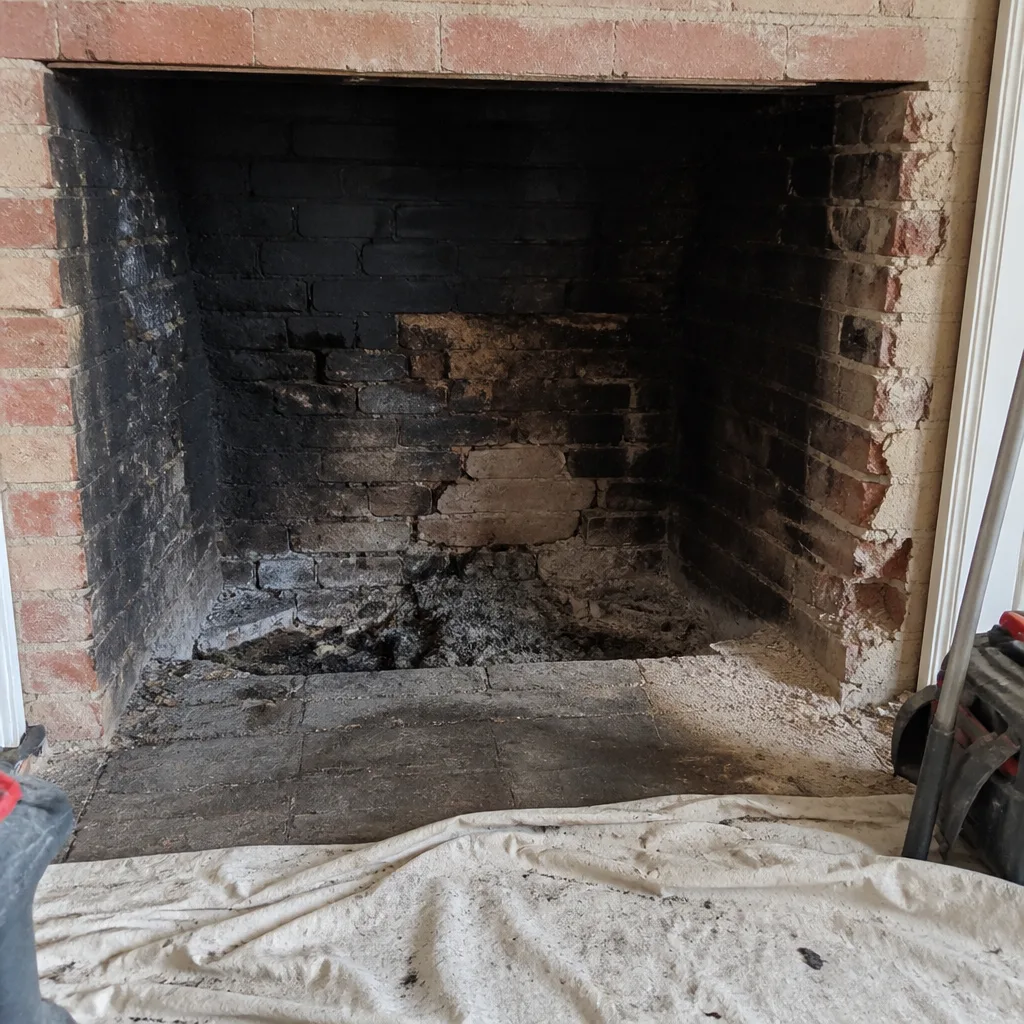 Before
 After
 Before
 After
When to Call a Professional
If a chimney fire has happened, if you’re smelling smoke in a room that has no fireplace, if the smoke chamber or firebox has visible cracking, or if a recent liner installation is undocumented, you need a professional with a camera and a written report. The same is true before any sale, after any change in what appliance the chimney serves, and whenever the crown or cap has visibly degraded. High-tension components like liner hardware and structural anchoring are not homeowner projects – call a trained professional, and don’t attempt a fix you can’t see the inside of. Chimney Sweep Mayfair offers free estimates in Mayfair; call (888) 841-6695. We answer 24/7. Fast dispatch from 7am to 7pm, Sunday through Friday.
Frequently Asked Questions
No. Routine chimney cleaning and sweeping are maintenance activities and do not require a permit under Pennsylvania’s Uniform Construction Code. What does require a permit is the repair work that often follows a cleaning – liner installation, chimney rebuilds above the roofline, crown replacement, and firebox reconstruction. If the inspection uncovers work that needs a permit, we say so before scheduling. Call (888) 841-6695 for an exact quote; estimates are free.
Liner installation or replacement, chimney rebuilds above the roofline, crown replacement involving demolition and recast, installation of a new appliance that changes the venting arrangement, chase cover replacement that changes the profile, and any structural alteration to the chimney fall under the UCC and require a permit. A Level 2 inspection establishes the scope, the permit is pulled against that scope, and the code official signs off after the work. Confirm with your local building department before any project begins.
A Level 1 inspection is a visual assessment of accessible portions performed during routine service – it’s what you get with an annual sweep. A Level 2 inspection adds the attic, crawl space, and roof-level areas plus a video scan of the flue, and it’s required after a chimney fire, after a change of appliance, and before a property sale. If you’re dealing with code enforcement or an insurance claim, you want a Level 2. Call (888) 841-6695 for an exact quote; estimates are free.
A code-compliant report should state the inspection level and scope, include video stills and photographs, document creosote stage, chimney exterior condition, firebox and smoke chamber findings, and appliance compatibility, and tie recommendations to NFPA 211. It should distinguish safe-to-use findings from must-fix and should-not-use findings in plain language. Anything less isn’t a document a code official or insurer can rely on.
You can, but it will surface during the buyer’s inspection and become a negotiation point, sometimes a deal-breaker. Pennsylvania’s disclosure requirements cover known material defects, and a recent liner or rebuild with no permit history is one. The clean path is to pull an after-the-fact permit and get a Level 2 inspection before listing. Ask us for an estimate on the documentation side; the cost is minor compared to losing a closing.
Yes, almost always. Post-chimney-fire repair generally involves liner replacement or rebuild, both of which require a permit. A Level 2 inspection documents the damage before the permit is pulled, and the same inspection level confirms the repair after. If your insurer is involved, the permit and inspection report are the documents they’ll ask for first. Call (888) 841-6695 for an exact quote; estimates are free.
The Bottom Line
Cleaning doesn’t need a permit. Repairs usually do. That’s the line under Pennsylvania’s UCC, and it’s the line that matters most for Mayfair homeowners facing a chimney project. A Level 2 inspection that cites NFPA 211 is the way to establish condition, document scope, and protect both a permit application and an eventual insurance claim. Whether the work is a DuraFlex liner installation, a HeatShield firebox restoration, a Gelco or Famco cap, or a Copperfield-sourced crown, the documentation matters as much as the materials. One contractor, one chimney, one file you can hand to a buyer’s inspector without flinching.
If you’re facing a chimney project in Mayfair and want to know exactly where your chimney stands before it becomes a permit question, Chimney Sweep Mayfair can help. Our chimney sweep visits include a camera inspection and photo report, and our chimney cap & crown work and chimney repair scope cover the full envelope – so the liner, crown, and firebox get addressed together instead of as three separate projects. Call (888) 841-6695 for a free estimate. We answer 24/7. Fast dispatch from 7am to 7pm, Sunday through Friday. Our technicians have up to 9 years of experience, and nothing gets recommended without camera evidence you can see for yourself.
Written by the team at Chimney Sweep Mayfair.