
Last updated November 22, 2026
 Sweep & inspection
 Caps & crowns
 Flue relining
 Masonry repair
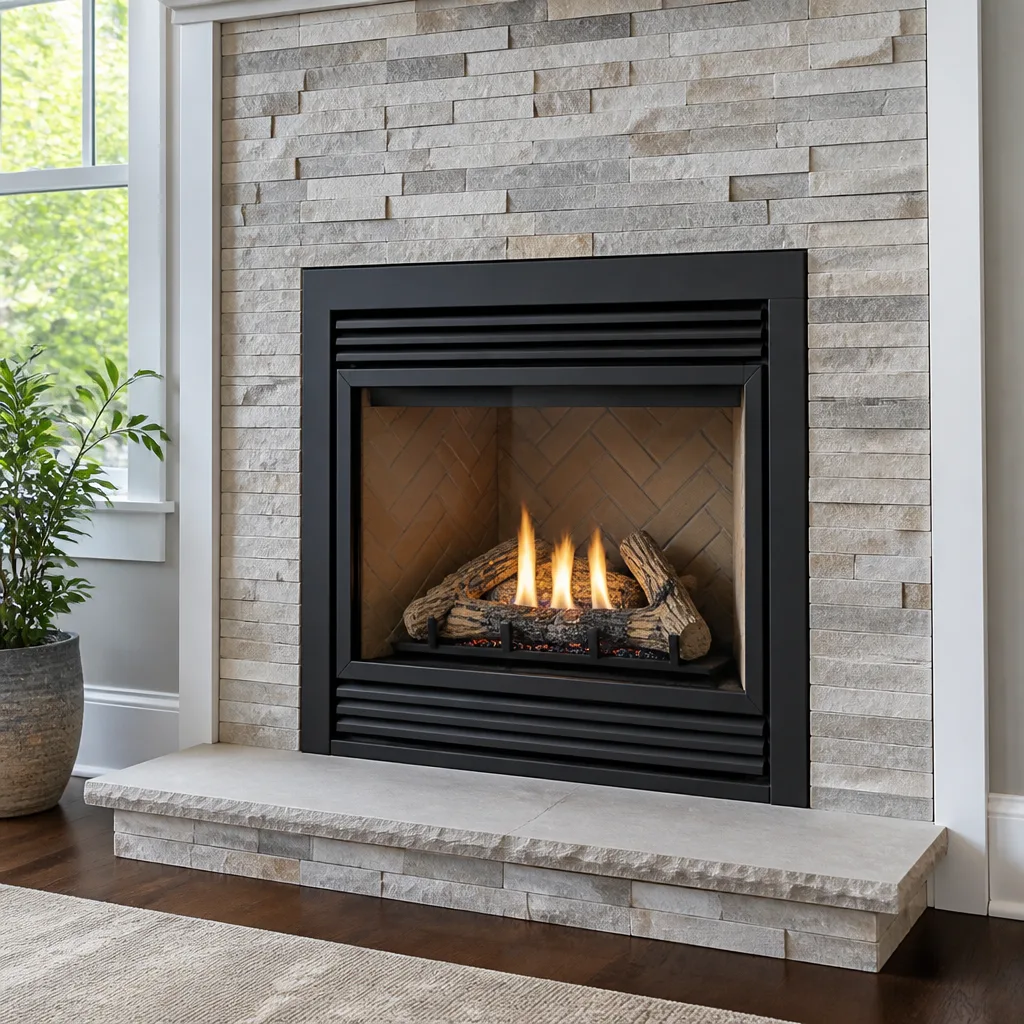 Gas fireplace service
Level 1 sweep and inspection to the NFPA 211 annual standard - flue, crown, cap, and flashing checked and photographed
Chimney sweep logs do not sweep chimneys. They loosen some creosote - which then falls where a brush and vacuum still have to collect it.
Chimney Cleaning Warning Signs: A Mayfair Homeowner’s Reference Guide
A strong smoke smell in your living room isn’t always a creosote crisis. It’s a signal, and it’s pointing at one of four places in your chimney system. The trouble is that most warning-sign checklists treat every symptom the same way, which leaves you either panicking over something that can wait or ignoring something that can’t. In this guide we map each symptom to the component it actually implicates and the risk level that goes with it. You’ll learn what you can check yourself, what needs a Chimney Sweep Mayfair specialist, and the exact words that help a sweep diagnose your chimney in Mayfair before anyone gets on a roof.
Quick Answer
The warning signs that matter most are smoke rolling back into the room, a strong acrid or smoky odor when the fireplace is cold, dark staining or white chalky deposits on the firebox or exterior masonry, and any crack or gap you can see with the damper open and a light held inside. Some signs mean stop using the fireplace now (loose masonry, a smell of gas, a visible crack in the firebox wall); most mean book a a chimney sweep, a chimney sweep before the next burning season. When in doubt, keep it simple: don’t burn until you’ve had it looked at.
Styles & brands we work with
- Sweep & inspection
- Caps & crowns
- Flue relining
- Masonry repair
- Gas fireplace service
Table of Contents
- The Symptom-to-Component Map: What Each Warning Sign Actually Means
- Odors and What They Tell You About Your Chimney
- Smoke Behavior: Draft Problems vs. Blockage
- Sounds, Soot, and Surface Clues
- Stop-Using Signs vs. Schedule-Service Signs
- What You Can Check From the Firebox Without Tools
- Mayfair’s Masonry Homes vs. Prefab Metal Fireplaces
- What to Tell the Sweep When You Call
The Symptom-to-Component Map: What Each Warning Sign Actually Means
A chimney is a system with distinct parts, and each part fails in its own way. The flue carries the smoke. The firebox holds the fire. The smoke chamber funnels gases from one to the other. The crown and cap sit above it all, keeping weather out. Once you know which part produces which symptom, the guesswork disappears.
Here’s how the mapping works in practice:
- Smoke rolling back into the room points to the flue or the smoke chamber. A blocked flue, a cold flue, or a smoke chamber with rough, sooted surfaces all disrupt draft.
- A wet, acrid, or campfire-like smell when the fireplace is cold points to creosote in the flue, or to moisture getting in through a failing crown or an uncapped flue.
- White chalky stains on exterior brick (efflorescence) point to water moving through masonry, usually from the crown or the flashing at the roofline.
- Soot flaking off the firebox walls points to incomplete combustion, often a draft problem or a firebox surface that has begun to break down.
- A metallic popping or ticking sound after the fire dies is normal metal expansion in a prefab insert, but a hollow clunk or a rattle in a masonry chimney can mean loose mortar or a shifting flue tile.
In our experience in Mayfair, the single most common misdiagnosis is treating an odor problem as a sweeping problem when it’s really a water problem. If the smell gets worse after rain, or on humid days, you’re looking at moisture, not creosote. The fix and the component are different, and so is the cost.
Odors and What They Tell You About Your Chimney
An odor is the most reliable early signal a homeowner gets, and the easiest to misinterpret. Chimney odor is nearly always one of three things: creosote, moisture, or a draft reversal pulling house air up a cold flue. Each one smells different once you know what you’re noticing.
Creosote: The smoky, tarry smell
Creosote is the residue of incomplete combustion. It coats the flue in layers that range from a fine soot to a glazed, hardened crust. In its early form it smells like a cold campfire. In its glazed form the smell is sharper, and the risk is higher: glazed creosote is the form that ignites most readily. The problem with pulling the odor apart yourself is that early soot and glazed creosote are hard to tell apart by smell alone. That’s the point where a sweep with a camera earns its keep.
Moisture: The damp, musty smell
If your chimney smells damp when it rains, water is entering somewhere it shouldn’t. The usual culprits are a cracked crown, a missing or undersized cap, or failed flashing where the chimney meets the roof. In our experience, a chimney without a proper cap in Mayfair’s humid summers is a chimney that’s slowly absorbing water into its masonry. A chimney cap & crown specified to fit the flue correctly is the simplest fix, and we favor Gelco and Famco caps for the weather performance they hold up to over time.
Draft reversal: The “no smell, then sudden smell” case
A cold flue can push air down into the room rather than pulling it up. This is common in tight, well-insulated houses, and it’s why a fireplace can smell fine one day and awful the next. It isn’t a safety crisis, but it’s worth addressing.
Smoke Behavior: Draft Problems vs. Blockage
Smoke is the chimney’s most visible diagnostic signal, and it tells you which system is failing. Smoke that spills into the room when you light the fire is different from smoke that starts spilling an hour in, and both are different from smoke you can smell but can’t see. Each points to a different cause.
Smoke spilling when you first light the fire
This is usually a cold flue. The chimney needs warmth to establish draft. If the spill settles within a few minutes, the flue is fine and the issue is temperature. If it doesn’t settle, or it gets worse as the fire grows, you may have a blockage, a flue that’s too small for the fireplace opening, or a smoke chamber that’s rough and turbulent.
Smoke that starts spilling midway through a burn
A fire that drafts well for the first hour and then starts backing up is telling you something is restricting the flue mid-burn. Creosote accumulation, a partial blockage (a bird nest, crumbling mortar, a collapsed flue tile) or a smoke chamber issue are the usual explanations. This is the sign that most often means “stop burning and get it inspected.”
Neighbor smoke or persistent haze
If you notice smoke haze in a room even when the fireplace is cold, the culprit is usually downdraft or a flue with a poor cap. In Mayfair, where houses sit close together on narrow lots, downdraft from a neighboring chimney is a real nuisance and occasionally a symptom of your own flue being too short or poorly capped.
Sounds, Soot, and Surface Clues
The quieter warning signs are the ones homeowners most often miss, because they don’t announce themselves the way smoke does. They show up as sounds, textures, and deposits.
Sounds worth noting
- Ticking or pinging during a burn is metal expanding in a prefab insert. Normal.
- A hollow thump or rattle after the fire may mean loose mortar or a shifting flue tile in masonry.
- Whistling or howling at the damper often indicates a draft problem or an undersized flue.
- A dull roar that sounds louder than usual can mean a fire burning hotter than the flue was designed for.
Soot and surface textures
Look inside the firebox with the damper open. A thin, even coat of soot is expected. A thick, fluffy, or flaking coat suggests incomplete combustion, which usually traces back to a draft problem. Look at the firebox walls themselves too: brick that has begun to spall (flake or pit) or a firebox back wall with visible cracks indicates heat damage that a sweep should assess. This is where HeatShield earns its place in our work. It’s a restoration system that resurfaces a deteriorating firebox and seals liner joints without a full demolition, which is often the difference between a repair and a rebuild.
Exterior clues visible from the ground
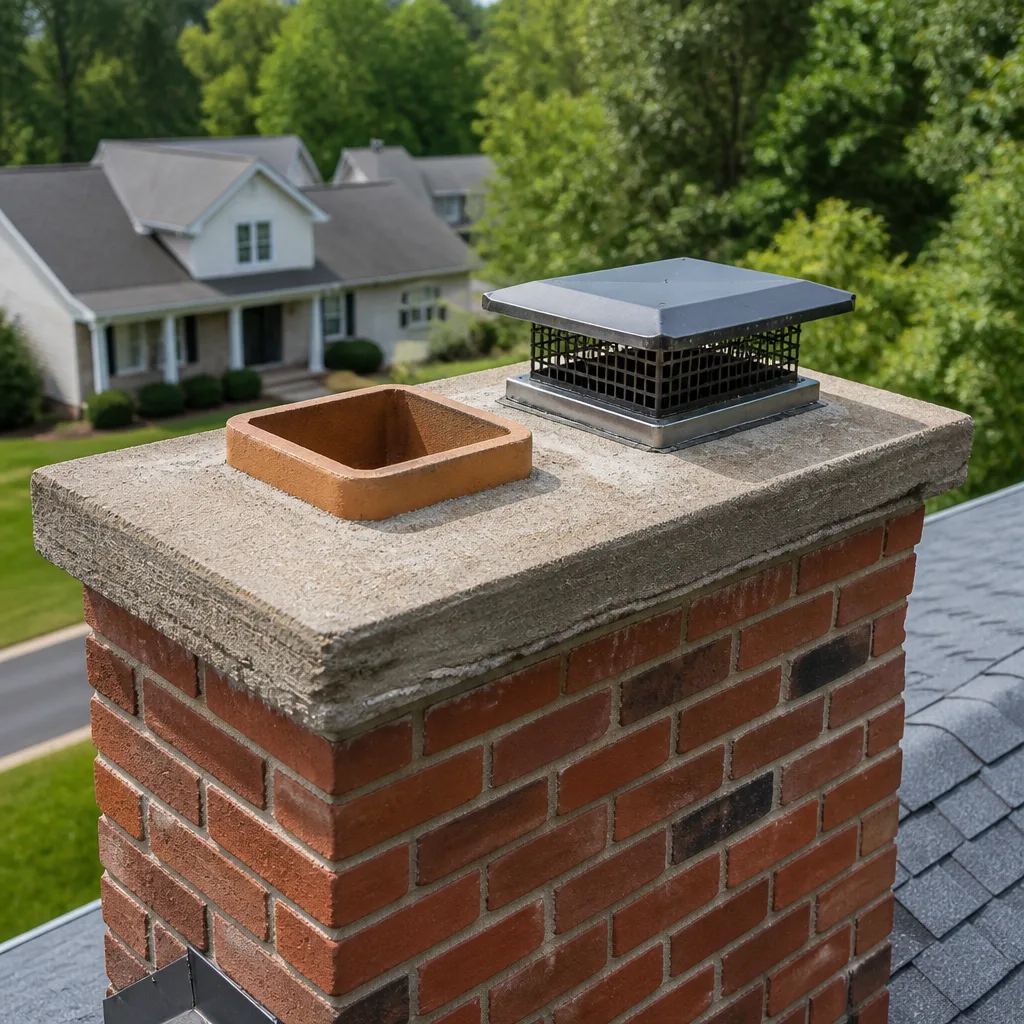
The crown is the concrete cap on top of the masonry chimney. A crown with visible cracks, a crumbling edge, or a gap where it meets the flue is a water-entry point. White staining on the exterior brick or mortar is efflorescence, and it’s a reliable sign that moisture is moving through the masonry from somewhere up top. A chimney repair visit is the right way to trace it back to the source rather than patching the symptom.
Stop-Using Signs vs. Schedule-Service Signs
The most useful distinction in this whole guide is between signs that mean “put the fire out and keep it out” and signs that mean “book service before the next burn.” Treating every warning sign as an emergency leads to panic. Treating none of them as one is worse. Here’s how we separate them.
Stop using the fireplace now
- Visible cracks or gaps in the firebox walls or the flue tiles that you can see with the damper open and a light held inside. Cracks let heat and gases past the barrier that should contain them.
- A strong smell of gas at the fireplace. Shut the gas valve, ventilate the room, and call for service. Carbon monoxide is a real hazard here.
- Persistent smoke in the room that doesn’t clear, especially if you or anyone in the house feels dizzy, nauseous, or headachy.
- Soot falling onto the hearth after a burn, or a sudden dump of debris from the flue, means the flue lining may have failed.
- Loose masonry or a leaning chimney visible from the ground.
Schedule service before the next burn
- Odor when the fireplace is cold, without any of the stop signs above.
- Smoke spill at lighting that settles within a few minutes.
- White staining on exterior brick or a visible crack in the crown.
- A cap that’s missing, damaged, or the wrong size for the flue.
- A fireplace in a home you’re preparing to sell, where a clean assessment is part of getting the sale done without surprises.
The dividing line is straightforward: if what you’re seeing could let heat, gases, or debris bypass the flue lining, stop. If what you’re seeing affects odor, draft, or weather, schedule. Our technicians have up to 9 years of experience, and the first thing they’ll ask when you call is which of these two groups your symptom falls into.
What You Can Check From the Firebox Without Tools
You can learn a lot about your chimney without climbing on a roof or buying a tool. The firebox is your diagnostic window, and a simple inspection from there takes about five minutes.
- Open the damper and look up with a flashlight. What you want to see is smooth, dark flue walls with a thin, even soot coat. What you don’t want to see: visible cracks in the tiles, an offset joint, or anything hanging into the flue.
- Look at the firebox walls and back wall. Thin, even soot is normal. Cracks, spalling, or crumbling mortar are not. Note the location of any crack you see.
- Check the smoke shelf and damper blade for soot buildup or debris. A damper that won’t close fully or sits unevenly is worth mentioning when you call.
- Sniff the firebox when it’s cold. Creosote, moisture, or no smell at all is your first data point.
- Look at the hearth and near the base of the chimney for soot that has fallen out. Fresh soot on a cold hearth is a stop-using sign.
- Look at the exterior of the chimney from the ground. A cap that’s missing, a crown with visible cracks, or white staining on brick are all worth a note.
What you’re doing here is gathering evidence, not diagnosing. The important part is that when you call a specialist, you’ll have specific observations that shorten the diagnostic process considerably.
Mayfair’s Masonry Homes vs. Prefab Metal Fireplaces
Mayfair is a neighborhood with a lot of older masonry housing stock alongside newer construction with prefab metal fireplace inserts. The two present very different warning patterns, and a sweep who understands both reads the signs differently.
Older masonry chimneys
Masonry chimneys in Mayfair’s older homes have a clay tile lining, and the tiles age. The warning signs to watch are:
- Cracked or offset flue tiles visible from the firebox, which allow gases to escape into the masonry structure.
- Spalling firebox brick, usually the result of years of heat cycling.
- Efflorescence on the exterior, or cracked mortar joints in the chimney above the roofline.
- A crown that has begun to crack, which lets water into the masonry and accelerates everything else.
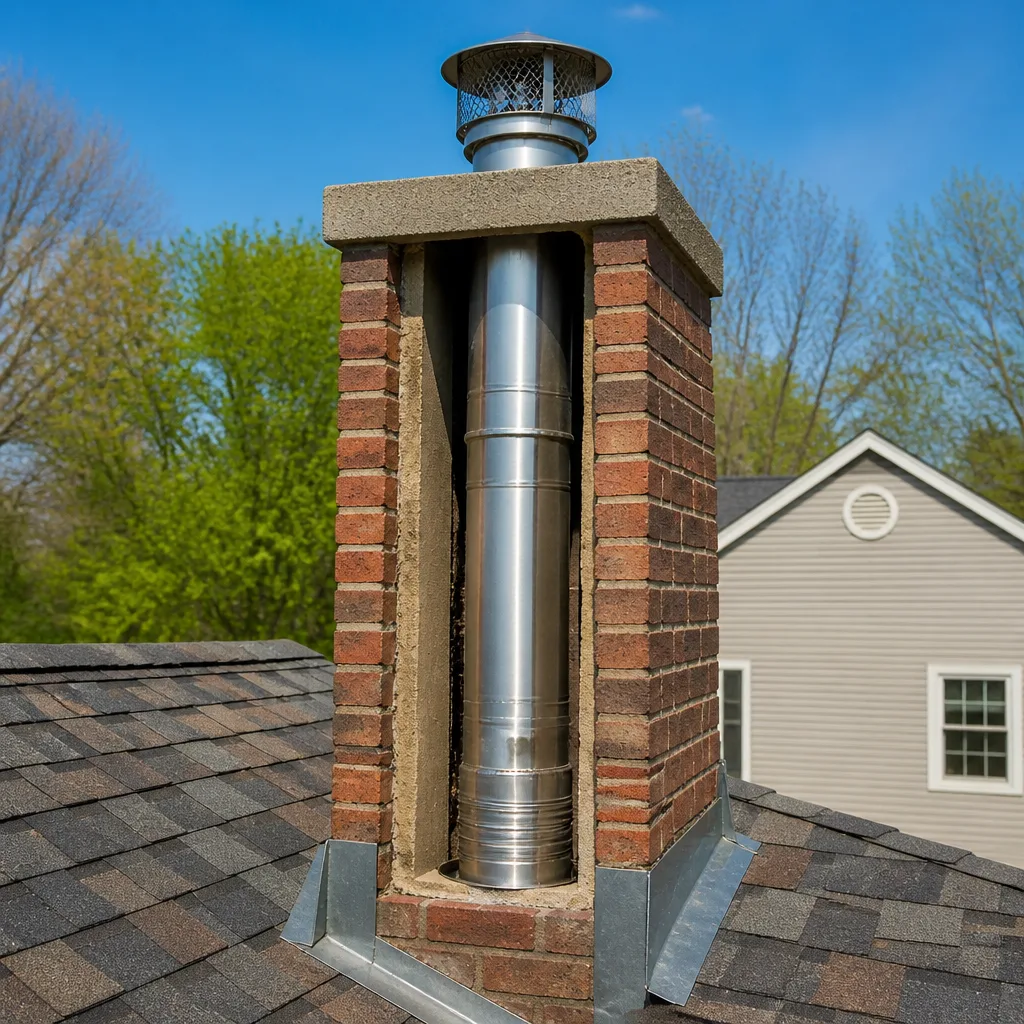
When a masonry flue fails, relining is often the right repair. We install DuraFlex flexible stainless steel liner systems because they give a continuous, insulated lining inside the existing flue without a full rebuild, and they’re the benchmark that professional installers specify. When the firebox itself has deteriorated, HeatShield lets us restore it without demolition in qualifying systems.
Prefab metal fireplaces
Prefab inserts have their own warning language. Watch for:
- A firebox that shows cracks or a warped panel, which in a metal insert is a replacement signal, not a repair signal.
- A fire that burns unevenly or seems to fight the draft.
- Rust or corrosion inside the firebox or the flue collar, which usually means water is getting in through the cap or the chase cover above.
- A hollow, rattling sound after the fire, which can mean a flue joint has come loose.
Prefab systems are engineered to precise specs, which is why the cap or chase cover has to be sized correctly. We specify Gelco and Famco caps because they’re sized to fit the flue opening rather than a generic off-the-shelf size. A cap that’s the wrong size is one of the most common causes of water intrusion in prefab systems, and it’s easy to miss because the symptom (rust inside the firebox) shows up months after the cause.
What to Tell the Sweep When You Call
The call is where good diagnostics begin. The more specific you are, the faster the sweep can narrow down which component is involved before arriving, and the fewer trips you pay for.
These are the six things worth having ready:
- Which warning sign you’ve noticed, described plainly. “Smoke rolls into the room when I light it” is more useful than “the chimney isn’t working.”
- When it happens. At lighting, mid-burn, only when it rains, only after a cold snap.
- The type of chimney you have, as best you know. Masonry with a clay tile lining, or a prefab metal insert with a chase cover.
- How the fireplace is used. Regular heating, occasional burning, decorative only, gas with logs.
- What you’ve already checked. Cracks in the firebox, a missing cap, soot on the hearth, white staining.
- The last time the chimney was swept. If you don’t know, say so. That’s information too.
A sweep who asks about your symptom’s timing, its relation to weather, and the age of the firebox is a sweep who intends to diagnose and not just brush. The schedule-based chimney sweep is the routine service. The diagnostic sweep is what you book when you’re responding to a sign. A good sweep will also offer a camera inspection and photo report, which is the only way to know for certain what’s happening inside the flue above the firebox.
Common Mistakes to Avoid
- Treating every odor as a creosote problem. In Mayfair’s humid summers, an odor that appears on damp days is usually moisture from a failing crown or a missing cap, not creosote. Calling it the wrong thing gets you the wrong repair.
- Burning a fire to “clear out” a smoky flue. If the cause is blockage or a failed flue lining, more fire makes it worse. Get it inspected.
- Patching a crown crack with a tube of caulk. A crown has to weather through freeze-thaw cycles, and a cosmetic patch will fail within a season or two. A repair that actually lasts starts with the right material.
- Assuming a cap is interchangeable. Prefab inserts need a cap sized to the flue collar and a masonry chimney needs one sized to the tile. A cap that doesn’t fit correctly is the entry point for water and downdraft alike.
- Ignoring white staining on exterior brick. Efflorescence is a sign water is moving through masonry from a source you can’t see from the ground.
- Waiting until the chimney is full of creosote to book a sweep. Creosote in its glazed form is both harder to remove and the form most readily involved in a chimney fire. The time to act is when you first smell it.
- Calling for a full rebuild before anyone has actually looked. A camera inspection often shows the damage is limited to a firebox surface or a collapsed section of lining that a restoration or reline can address without demolition.
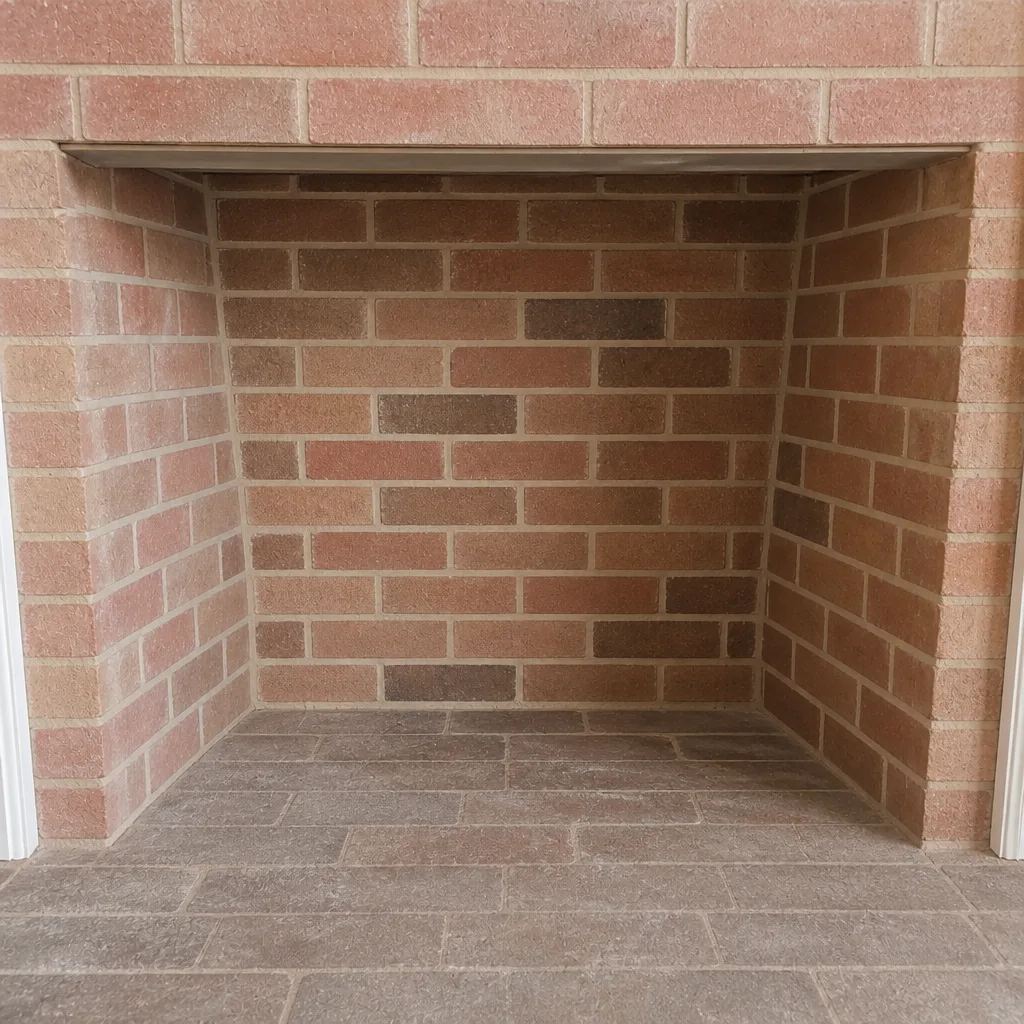
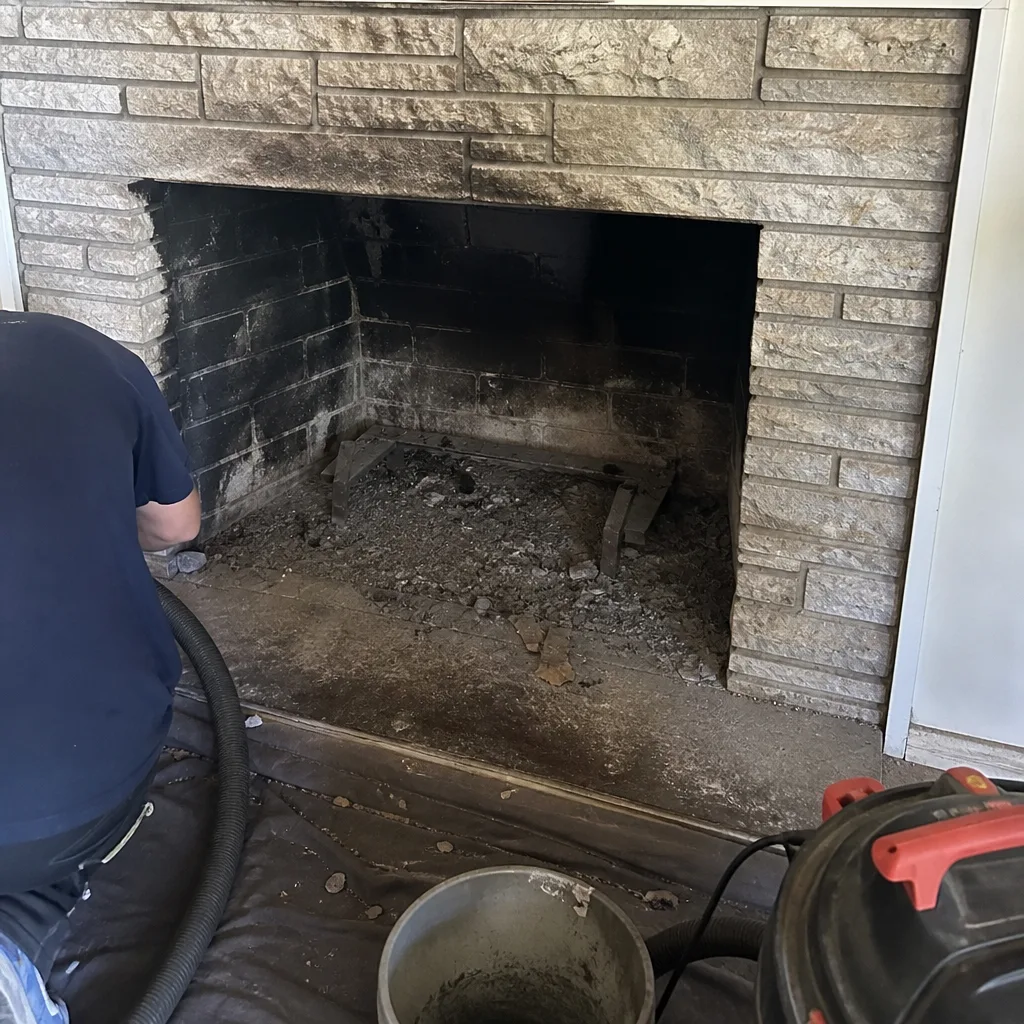
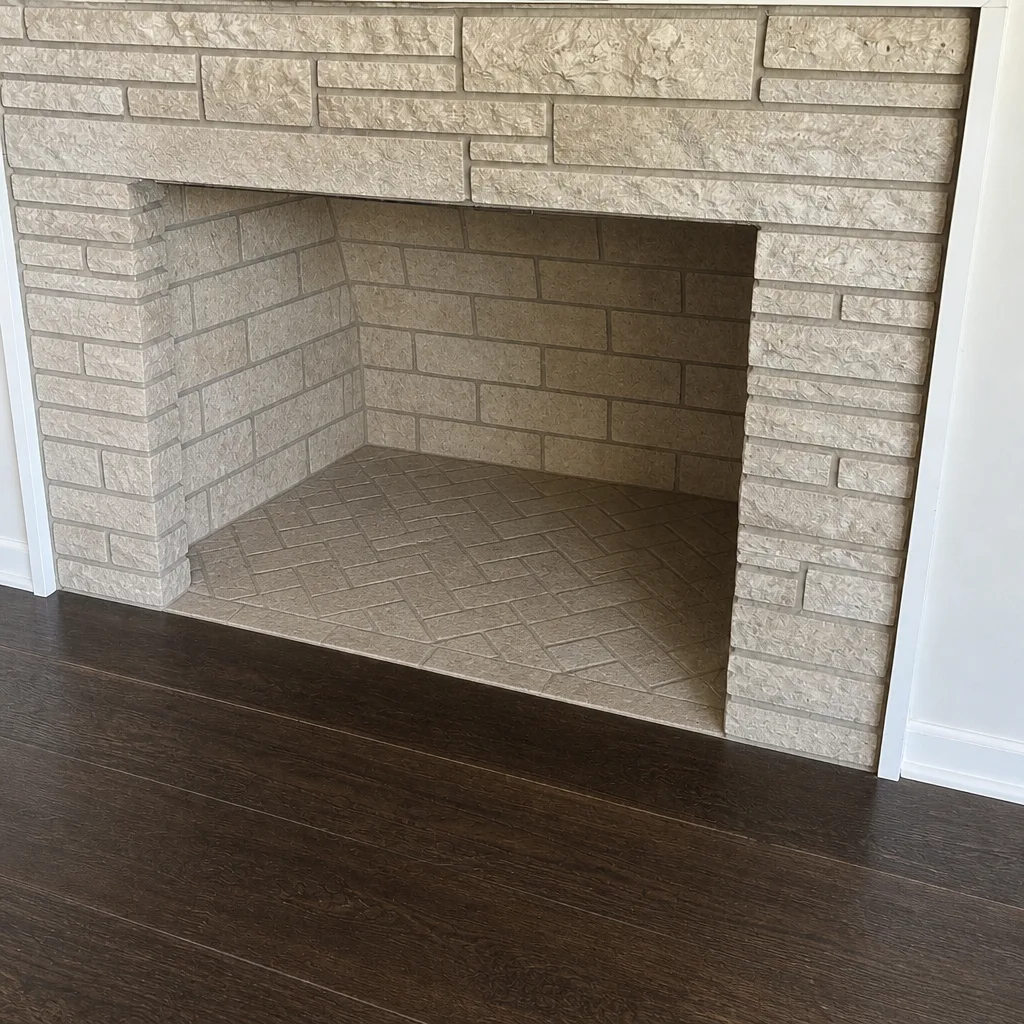
See the difference
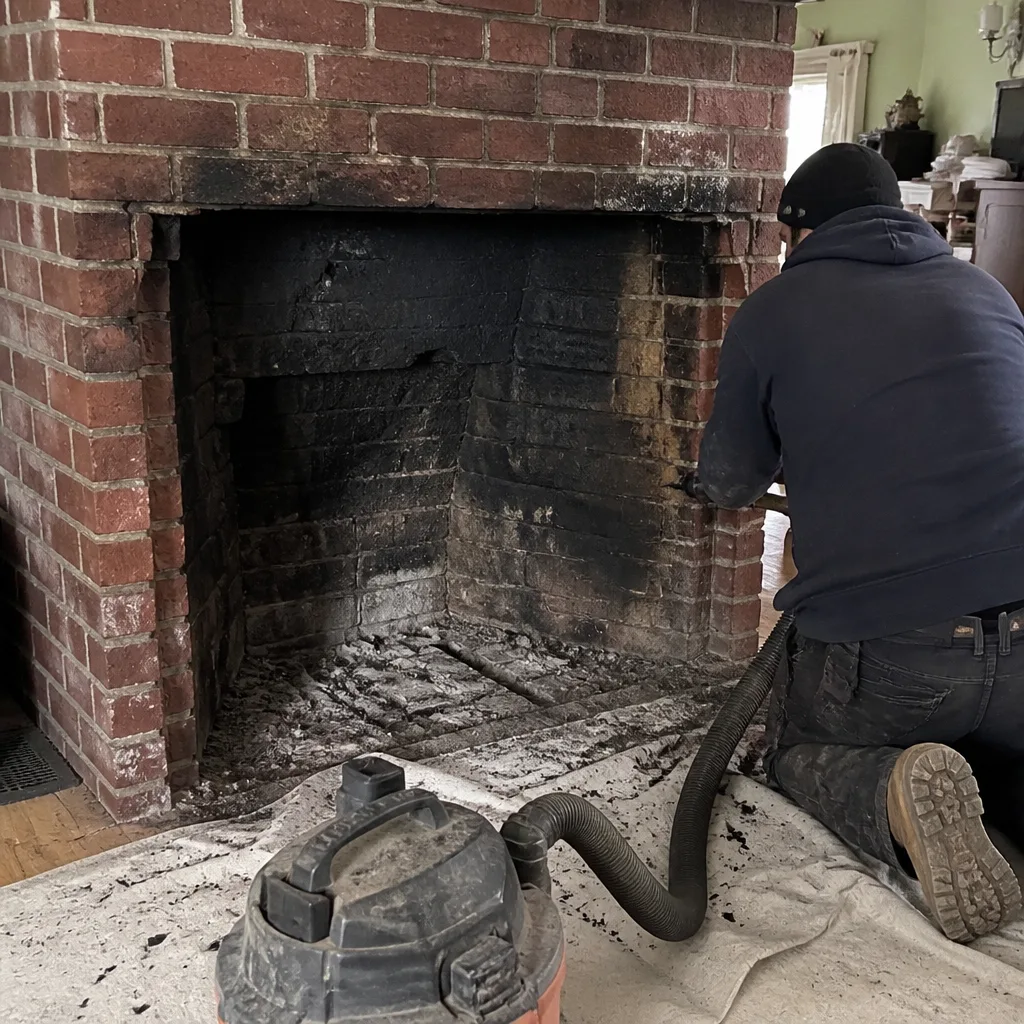 Before
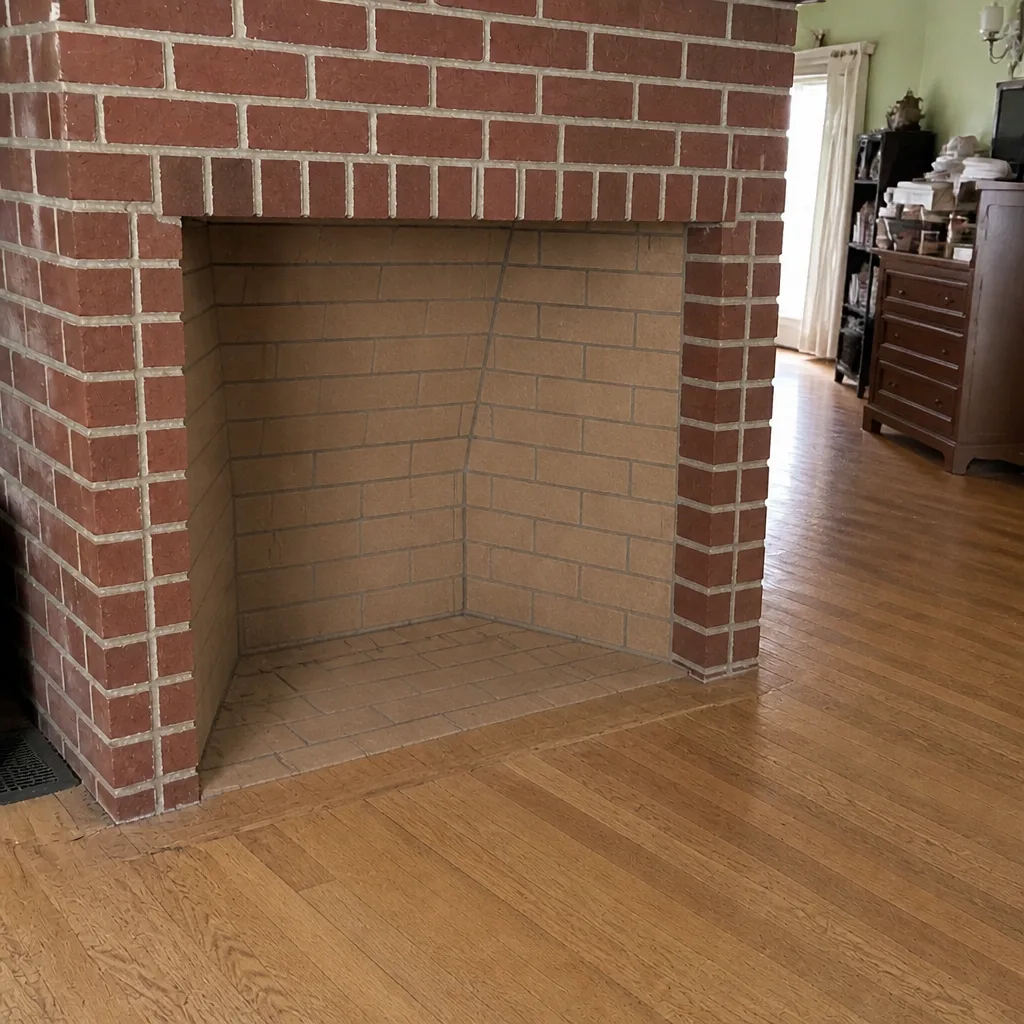 After
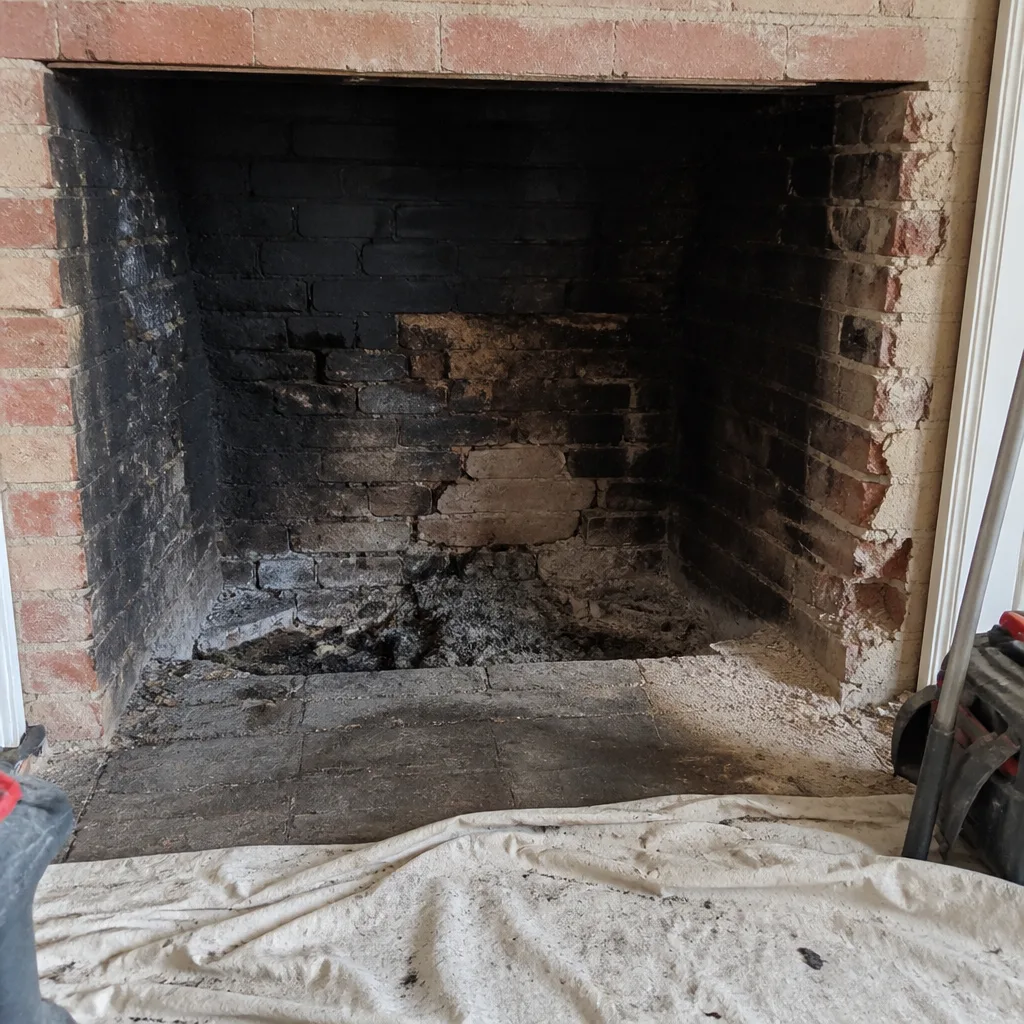 Before
 After
 Before
 After
When to Call a Professional
Some things you can check yourself. Others you shouldn’t. Call a professional if:
- You see cracks or gaps in the firebox walls or flue tiles with the damper open.
- Smoke rolls into the room and doesn’t clear.
- You smell gas at the fireplace, or you or anyone in the house is feeling unwell during a burn.
- You see soot falling onto the hearth, or a chunk of masonry on the ground near the chimney.
- The crown on your chimney has visible cracks, or the cap is missing or the wrong size for the flue.
Chimney Sweep Mayfair offers free estimates in Mayfair: call (888) 841-6695. We answer 24/7. Fast dispatch from 7am to 7pm, Sunday through Friday. The written estimate sets the final price, and the sweep comes with a camera inspection and photo report so you can see what we see.
Frequently Asked Questions
A chimney should be swept once a year when it’s used regularly for heating, or when a visible soot layer of about an eighth of an inch builds up on the flue walls. In Mayfair, where the burning season is long enough to matter, most homeowners on a regular heating schedule book a sweep before fall. If your fireplace is used occasionally, an annual check is still the right habit because it catches issues (cracked tiles, a failing crown) that aren’t visible from the firebox. Call (888) 841-6695 for a free estimate.
Nothing dramatic at first, which is why the problem gets missed. Creosote accumulates in the flue a layer at a time, and moisture gets into the masonry through cracks and caps that were never addressed. Over time the creosote can glaze, which is the form most likely to ignite. The fix at that stage is more involved and more expensive than a routine sweep. If you’ve noticed an odor or a sign on this list, call (888) 841-6695 for an estimate.
The price depends on the scope of the job, which is why we set it per job by written estimate rather than quoting a flat rate over the phone. A routine sweep on a well-maintained chimney is a different job from a diagnostic visit that includes a camera inspection and a written photo report. Call (888) 841-6695 for an exact quote; estimates are free.
Only if a camera inspection shows the existing lining has failed. A cracked or offset clay tile lining is a real problem because it lets gases and heat escape into the masonry, but a lining that’s intact does not need to be replaced. We install DuraFlex flexible stainless steel liners when a reline is called for, and we’ll show you the camera footage so the decision is based on visible evidence. Call (888) 841-6695 and ask for the inspection report.
It means water is getting into the chimney system. The usual entries are a cracked crown, a missing or undersized cap, or flashing at the roofline. The odor is the masonry releasing moisture, and it’s a more reliable sign of water entry than anything you’ll see from the ground. This is a chimney repair-type call, not a sweeping call, and fixing it starts with finding where the water enters. Call (888) 841-6695 for an estimate.
Only if none of the stop-signs from this guide apply to your situation. If you have a smoke spilling into the room, visible cracks in the firebox or flue, soot falling on the hearth, or a smell of gas, stop using the fireplace until it’s inspected. If you have an odor when the fireplace is cold and nothing else, you can usually burn until your booked appointment, and using it less is the conservative choice. Call (888) 841-6695 for an estimate.
The Bottom Line
Chimney warning signs are diagnostic, not alarming. A smell, a wisp of smoke, a white stain on brick: each one points at a specific component, and once you know which component, you know whether to stop burning or schedule service. Mayfair’s older masonry homes and prefab insert systems present different patterns, so the same odor can mean different things depending on which one you have. Check what you can from the firebox, write down what you see and when it happens, and call a specialist with specifics. A camera inspection with a photo report, a written estimate, and a sweep who can handle the firebox, liner, cap, and crown in one visit is what a Mayfair homeowner actually needs.
Call Chimney Sweep Mayfair at (888) 841-6695 for a free estimate. We answer 24/7. Fast dispatch from 7am to 7pm, Sunday through Friday.
Written by the team at Chimney Sweep Mayfair.