
Last updated November 22, 2026
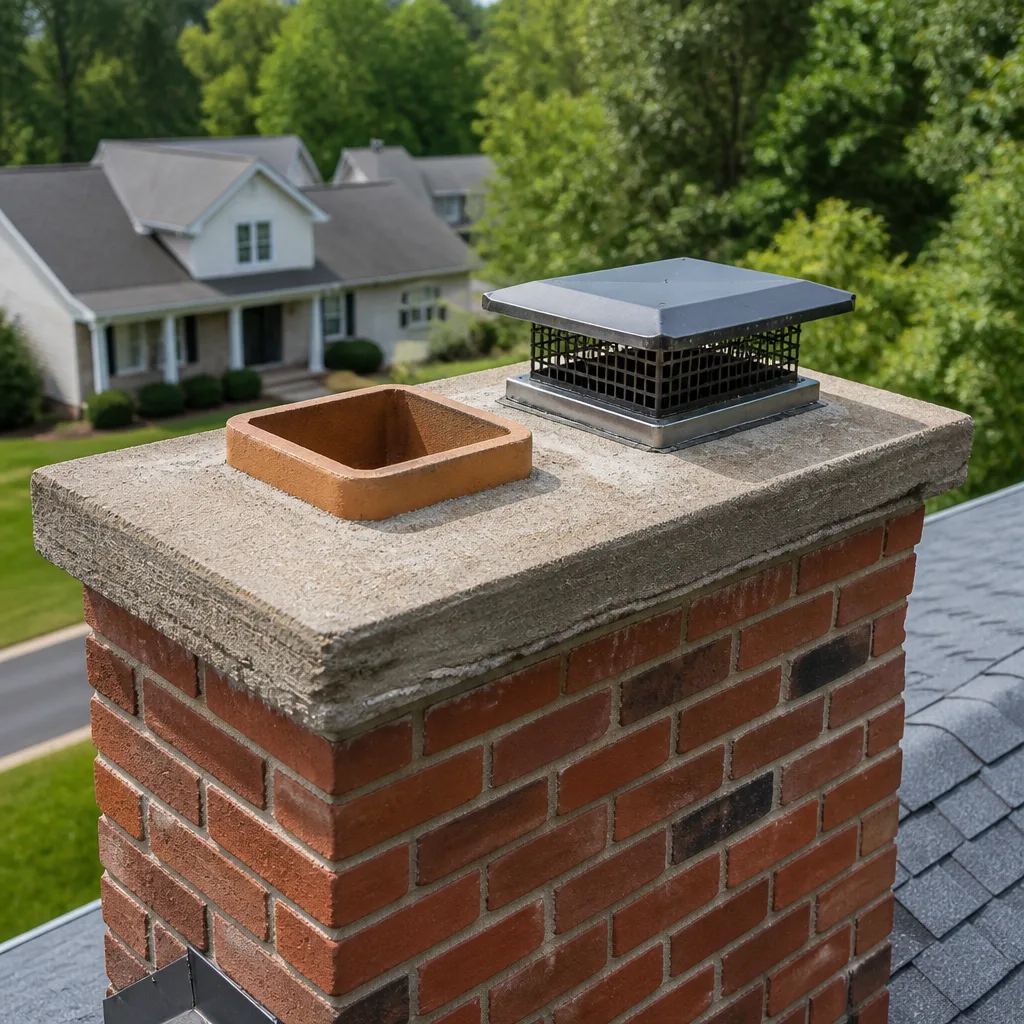 Sweep & inspection
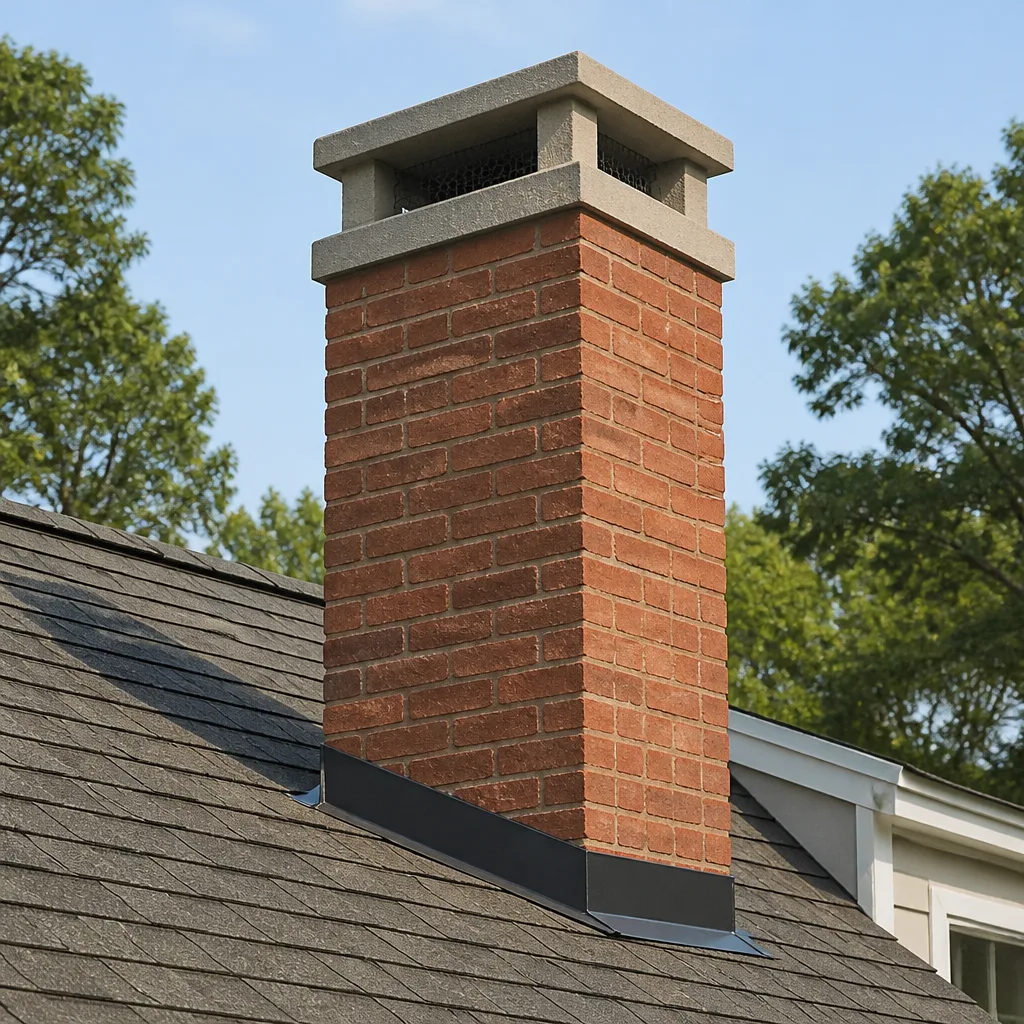 Caps & crowns
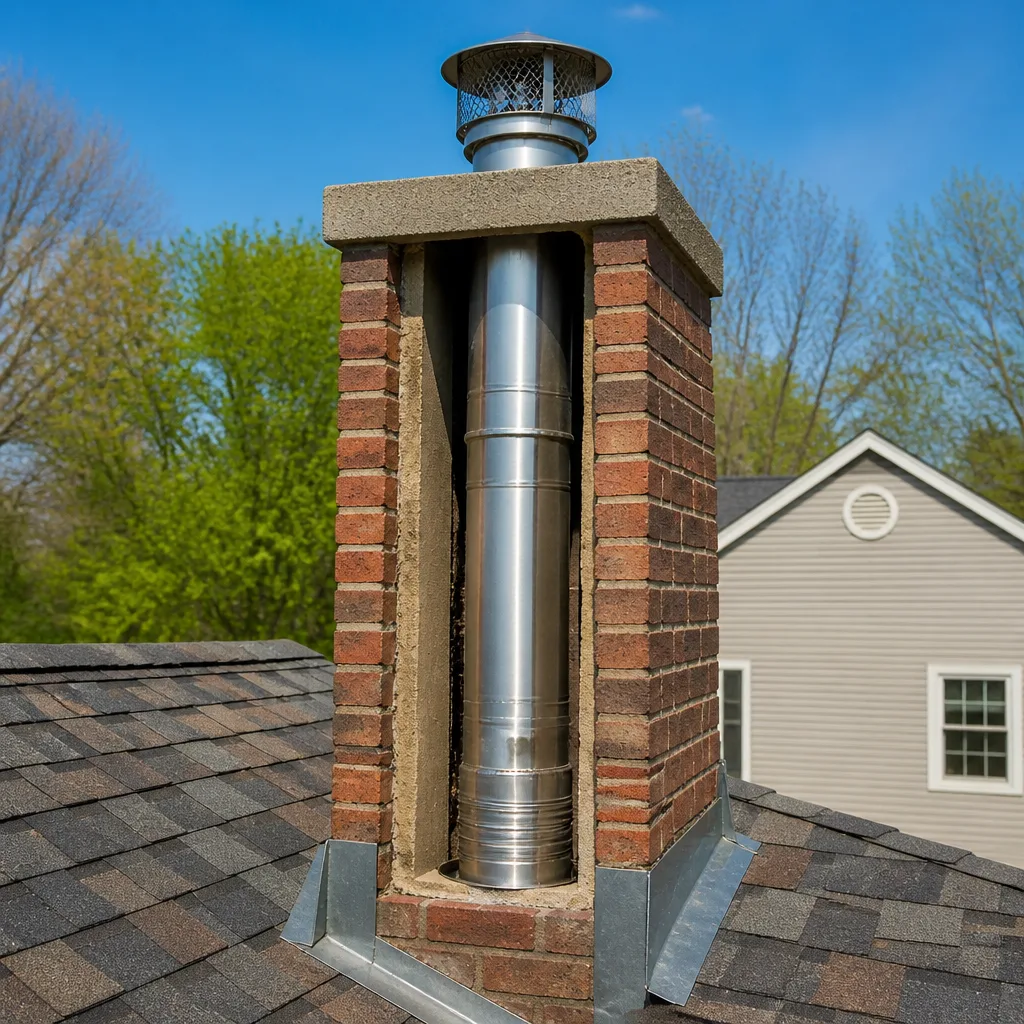 Flue relining
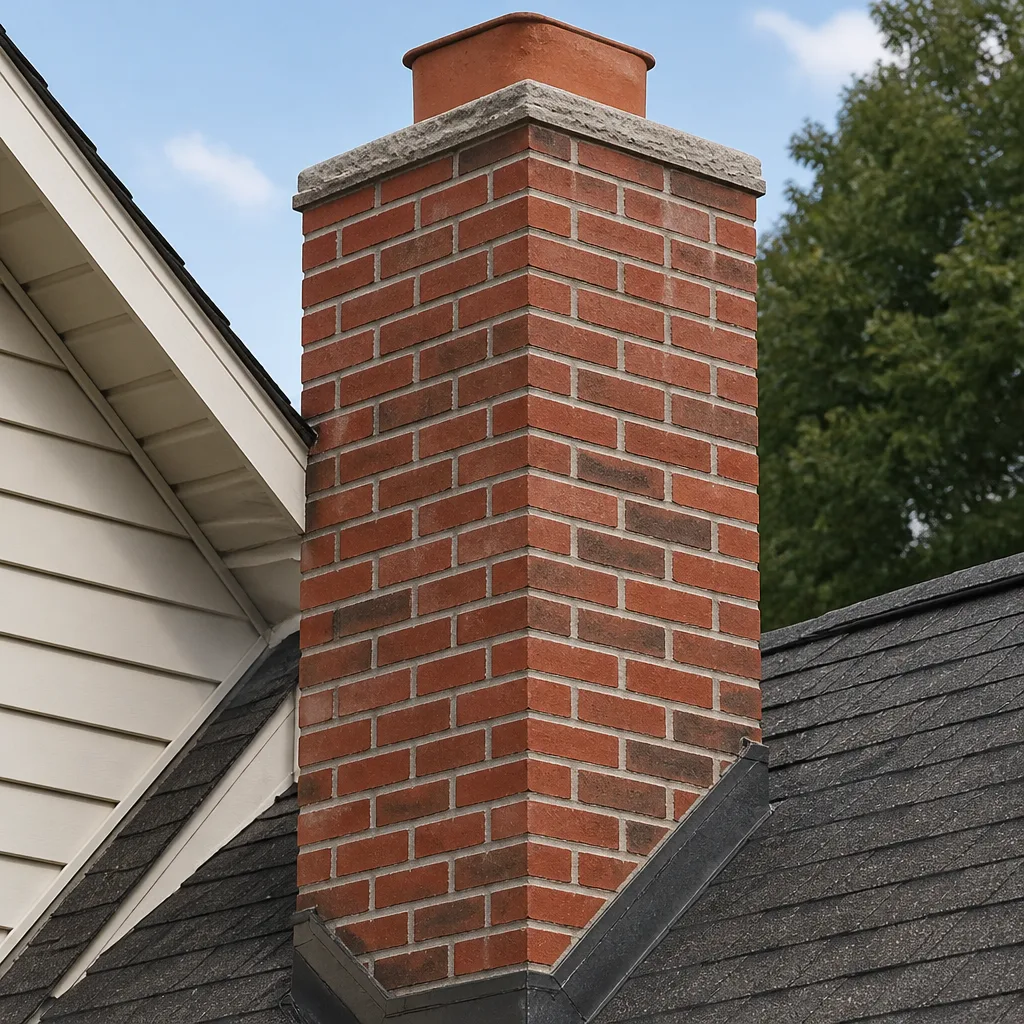 Masonry repair
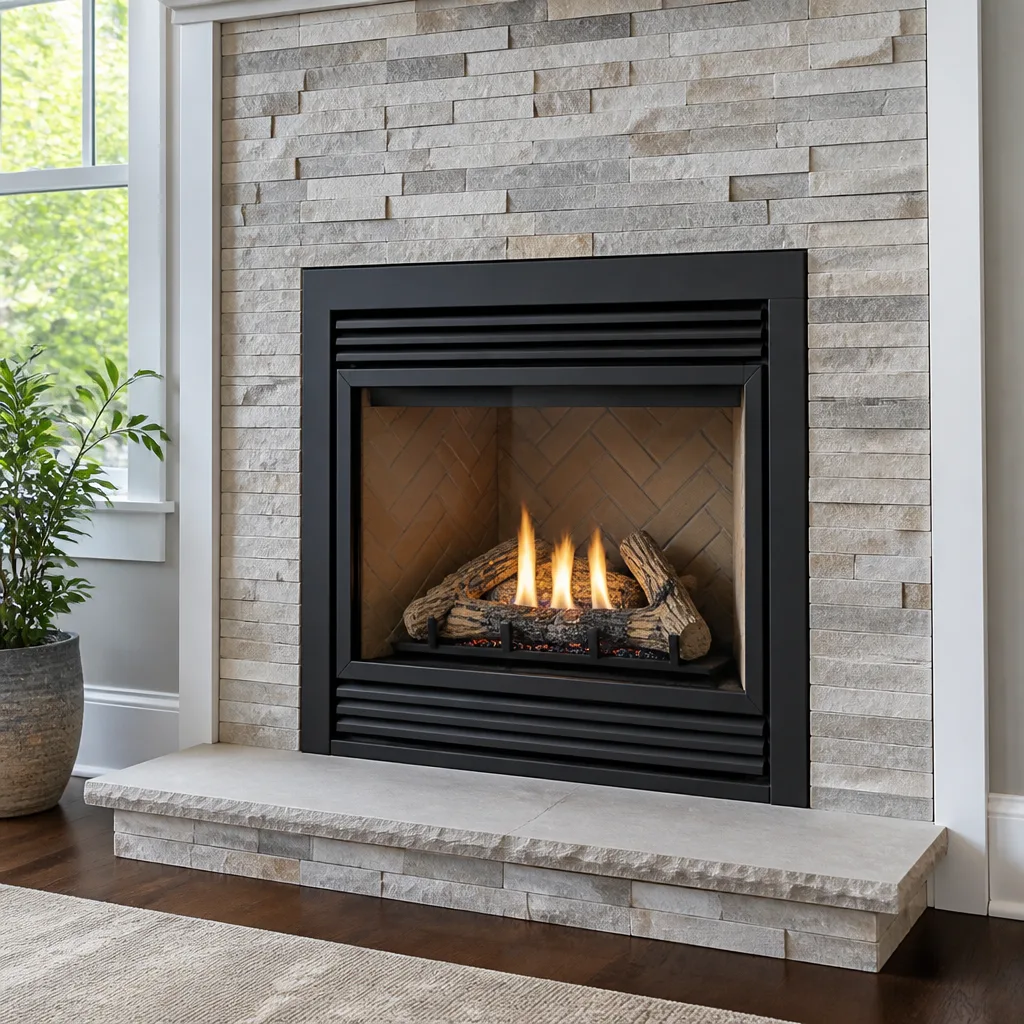 Gas fireplace service
Level 1 sweep and inspection to the NFPA 211 annual standard - flue, crown, cap, and flashing checked and photographed
Chimney sweep logs do not sweep chimneys. They loosen some creosote - which then falls where a brush and vacuum still have to collect it.
How to Hire a Chimney Cleaning Contractor in Mayfair: A Step-by-Step Guide
The cheapest chimney cleaning quote in Mayfair often comes from someone who owns a single brush set, no liability insurance, and no way to inspect what’s actually inside your flue. That’s the uncomfortable truth most hiring guides skip past. A chimney is a full system – firebox, smoke chamber, flue, liner, crown, cap – and the person you let onto your roof should be able to speak to every part of it, not just run a brush down the middle. Over the next few sections we’ll walk you through the exact credentials to verify, the questions that separate a specialist from a generalist, and how to read a quote so you know what’s missing before you book. Mayfair homeowners who use their fireplace for real heat deserve that level of care.
Quick Answer
To hire a chimney cleaning contractor in Mayfair, verify three things before anyone climbs a ladder: CSIA certification, current liability insurance, and active Pennsylvania contractor registration. Then ask whether the sweep offers a camera inspection and whether they handle the full chimney envelope – cap, crown, liner, firebox – or just the flue. A contractor who can answer those questions clearly and put the scope in writing is the one worth booking.
Styles & brands we work with
- Sweep & inspection
- Caps & crowns
- Flue relining
- Masonry repair
- Gas fireplace service
Table of Contents
- Why a Chimney Specialist Beats a Handyman with a Brush
- The Three Credentials to Verify Before Booking
- Interview Questions That Reveal Real Expertise
- How to Read a Chimney Cleaning Quote
- Why the Camera Inspection Offer Matters
- Reading Online Reviews Like a Chimney Professional
- Timing Your Sweep Around a Mayfair Heating Season
- A Step-by-Step Hiring Checklist
Why a Chimney Specialist Beats a Handyman with a Brush
A chimney is not a duct. It’s a pressure system, a combustion system, and a weather-exposed structure all at once, and the failure modes are different at every height. The firebox and smoke chamber handle intense heat and corrosive byproducts. The flue carries creosote and vapor. The crown and cap take rain, freeze-thaw cycling, and wind. A generalist who sweeps chimneys as an add-on typically owns one rotary brush and a shop vacuum, which is enough to knock soot off the walls of a straight flue but not enough to diagnose a spalled crown or a cracked firebox joint.
That distinction shows up the moment something is actually wrong. When a flue has a failed liner joint, a handyman has no repair path – they hand you off to someone else. When a firebox has deteriorating refractory mortar, a handyman has no resurfacing system. A dedicated chimney contractor, in our experience, walks onto the roof already knowing what the whole envelope should look like and what it will take to bring a bad one back.
What “full-system” actually means
- Firebox and smoke chamber: refractory surfaces, mortar joints, and the transition into the flue.
- Flue and liner: the clay tile or stainless liner that carries exhaust, plus the joints that keep it sealed.
- Crown: the concrete cap at the top that sheds water away from the flue.
- Cap and chase cover: the hardware that keeps rain, animals, and debris out of the flue opening.
When you hire a specialist, one contractor handles all four. When you hire a generalist, you end up scheduling a second and third visit for the parts they can’t touch. One contractor, one chimney is the cleaner arrangement, and it’s the reason we scope every chimney repair job against the whole structure rather than the flue alone.
The Three Credentials to Verify Before Booking
Three credentials separate a legitimate chimney contractor from a person with a ladder and a brush: CSIA certification, liability insurance, and Pennsylvania contractor registration. Ask for all three before you book, and don’t accept “we’re fully certified” as an answer. Ask for the specifics, in writing if you can. A contractor who can produce them without hesitation is the one you want on your roof.
1. CSIA certification
The Chimney Safety Institute of America is the trade’s recognized certification body. A CSIA-certified sweep has passed an exam covering chimney construction, venting, and code, and has committed to a code of ethics. Ask for the certification number and verify it on the CSIA directory – the verification takes a minute and tells you more than any testimonial. A contractor who claims certification but can’t produce a number is a red flag.
2. Liability insurance
Chimney work happens on roofs, and roofs are where injuries and property damage happen. Ask for a certificate of insurance showing general liability coverage and, ideally, workers’ compensation. The minimum threshold varies by the contractor’s size and your comfort level, but the key point is that a certificate exists and is current. If someone can’t show you a certificate, you’re the one carrying the risk if a ladder goes through a gutter or a technician gets hurt on your property.
3. Pennsylvania contractor registration
Pennsylvania requires contractors performing home improvement work to register with the state. Ask for the registration number and confirm it. Combined with the CSIA credential and proof of insurance, that gives you a paper trail before anyone steps onto your property.
The local pro you connect with should be licensed, insured, and registered as their state requires – and if you want to see what a proper full-system scope looks like, the team behind our Chimney Sweep Mayfair service page has written it out in detail.
Interview Questions That Reveal Real Expertise
The quickest way to tell a chimney specialist from a generalist is to ask questions a brush-and-vacuum operator can’t answer well. You’re not trying to trip anyone up; you’re trying to hear whether they can talk about the whole system. Five minutes on the phone usually settles it.
Questions to ask on the phone
- “Do you do a camera inspection, and is it included in the visit?” A specialist says yes and explains what the camera shows. A generalist says “we can arrange one” or changes the subject.
- “What’s your process for a firebox that’s spalling or has failed refractory mortar?” Listen for a specific answer – a resurfacing system, a repair scope, or a clear “we’d recommend a rebuild.” Vague reassurance is the wrong answer.
- “How do you handle a flue that needs relining?” The best answers name a liner system and explain why it’s specified. We specify DuraFlex flexible stainless steel because it’s the professional-grade standard installers rely on, and a good contractor will have an equally specific answer.
- “What’s the price for a standard sweep, and what would make it go up?” A fair contractor gives you the flat-price sweep and a clear list of what changes the scope, such as heavy creosote or a flue that needs repair.
- “Who handles cap and crown work if it’s needed?” If the answer is “we’d have someone else do that,” you’re hiring half a contractor.
- “Are you CSIA-certified, and can I see your certification number?” A specialist answers immediately. A hesitant answer tells you what you need to know.
The pattern across all six questions is the same: specialists talk in specifics, generalists talk in reassurances. A contractor who can name materials, describe a camera finding, and put a repair scope in writing is one who will not waste your afternoon or your roof.
How to Read a Chimney Cleaning Quote
A chimney cleaning quote should show line-item pricing for the sweep itself and separate pricing for any additional scope the contractor has actually inspected. If it’s a single lump sum with no detail, that’s not a quote – it’s a number. And if a quote includes re-lining or masonry work before anyone has looked inside your flue with a camera, walk away.
What a properly structured quote includes
- Sweep as a flat line item: a fixed price for the standard cleaning, agreed before booking.
- Camera inspection noted separately or included: stated clearly so you know if it’s part of the visit.
- Repair scope line items: specific work listed with specific pricing, based on what the camera found.
- Materials named: if a liner or cap is being specified, the quote names the system – DuraFlex for a flexible liner, HeatShield for firebox resurfacing, Gelco for a chimney cap – so you know what’s going on your chimney.
- A clear statement of what’s not included: what the contractor is not touching, so nothing surfaces later as a surprise.
What its absence signals
A quote with no line items usually means one of two things. Either the contractor is quoting from a distance and plans to add charges once on site, or they plan to sell you a package before they’ve done the diagnostic. Neither is a good outcome. When we put together a scope through our chimney cap & crown work or any other job, the written estimate sets the final price. That matters because it removes the moment where a homeowner feels pressured to make a decision on the roof.
Why the Camera Inspection Offer Matters
Whether a chimney contractor offers a camera inspection is the single most reliable proxy for how thorough the visit will be. A camera shows what’s inside the flue: cracked tile joints, gaps in a liner, offset sections, heavy glaze creosote, or a nest a brush won’t dislodge. A contractor who runs a camera knows what shape your flue is in before they write a scope. A contractor who doesn’t is guessing from the top.
What the camera finds that a brush can’t
- Cracked or separated clay tile liner joints that let smoke and heat into the surrounding structure.
- Failed stainless liner connections where a joint has pulled apart.
- Glazed creosote – the hard, shiny byproduct of slow, cool fires – which a standard sweep won’t remove.
- Offsets and transitions in the flue where creosote collects and brushes miss.
- Debris, animal nests, or a collapsed liner section blocking the flue.
In our experience, the homeowner’s real hesitation about hiring a specialist is being told they need thousands of dollars of liner or masonry work they have no way to verify. A camera inspection solves that problem directly. The contractor should show you the footage, point to the finding, and explain what it means. If they recommend relining, ask to see the failed joint on the screen. If they recommend a firebox rebuild, ask whether HeatShield resurfacing could restore the surface without demolition. A contractor who can produce that evidence and talk through the alternatives is doing the job right. A contractor who says “you need a new liner, trust me” is not.
It’s also worth saying plainly: when a camera shows a sound flue and a clean sweep is all that’s needed, that’s the answer. Work that can safely wait should wait. A good contractor says so.
Reading Online Reviews Like a Chimney Professional
Online reviews are useful, but not in the way most homeowners read them. Vague five-star praise – “great job, very professional” – tells you almost nothing. What you want are reviews that describe what the contractor actually did: a camera inspection, a cap replaced with Gelco hardware because it fit the flue correctly, a liner spec’d in DuraFlex, a firebox resurfaced with HeatShield rather than demolished. Those reviews read like technical notes, and they’re the ones that tell you the contractor knows the trade.
Green flags and red flags in reviews
- Green flag: a review that names the diagnostic step – “they ran a camera and showed me the video.” That’s a contractor who does the work you want done.
- Green flag: a review that names the material used. Homeowners who care about their chimney remember what went on it.
- Green flag: a review that says the contractor told them work could wait. Honest assessments earn loyalty.
- Red flag: reviews that describe a surprise charge at the end. That’s a quote without line items.
- Red flag: a pattern of reviews saying “they told me I needed a new liner” with no mention of a camera. Without evidence, that’s a sales tactic, not a diagnosis.
- Red flag: complaints about no-shows or unreturned calls, especially in peak heating season when good contractors are booked out.
Read a page of reviews looking for technical specifics and repeat what you find. A dozen reviews that name a camera inspection is stronger evidence than a hundred that just say “professional.”
Timing Your Sweep Around a Mayfair Heating Season
Mayfair gets a real winter, and that changes the timing question. Chimneys here run hard from the first cold snap through the last, so creosote accumulates faster than it would in a milder climate, and the freeze-thaw cycle of a Pennsylvania winter works on crowns and masonry joints every year. That means the best time to book a sweep is before the heating season starts, and the second-best time is right now rather than the first week of cold.
What a Mayfair season does to a chimney
- Heavy seasonal use builds creosote faster, so annual sweeping matters more than the calendar suggests.
- Freeze-thaw cycling widens hairline cracks in the crown and mortar joints, which is why a fall inspection catches problems before winter makes them worse.
- Draft and odor complaints often show up when a fire first relights after months idle – a sign the flue needs cleaning or the cap needs attention.
- Burning-season demand fills schedules, so booking early gets you the contractor you actually want.
If you’re preparing to sell a home in Mayfair, timing is even more important: a clean, inspected chimney with documentation belongs in the listing, not on a punch list mid-closing. Booking a sweep before the inspection period starts avoids that scramble.
A Step-by-Step Hiring Checklist
Here’s the whole process in order, from the first phone call to the signed estimate. Work through it once and you’ll know you’ve hired a specialist rather than a generalist with a ladder.
- Check the three credentials. Ask for CSIA certification, certificate of insurance, and Pennsylvania contractor registration. Verify each one.
- Ask the five interview questions. Camera inspection, firebox process, liner spec, pricing structure, full-envelope scope.
- Confirm the sweep is a flat price agreed before booking. If the number only appears on the day, ask why.
- Require a camera inspection. Ask it to be included in the visit or priced separately so you can see the footage.
- Request the quote in writing. Line items for the sweep and any scope the contractor has actually inspected.
- Ask what can wait. A good contractor will tell you, in plain terms, which findings are urgent and which can be scheduled later.
- Read the written estimate carefully. The written estimate sets the final price – if it doesn’t say that, ask for it in writing.
Common Mistakes to Avoid
- Hiring on price alone. The lowest quote often comes from someone without insurance, and any savings disappear the first time a ladder damages a gutter or a technician gets hurt on your property.
- Skipping the camera inspection. A sweep without a camera is a cleaning without a diagnosis. You’re paying to remove soot, not to learn the condition of your flue.
- Accepting a verbal quote. Pennsylvania winters are hard on chimney exteriors, and a scope that only exists in conversation is one you can’t hold anyone to.
- Booking a liner replacement before anyone has looked inside. A camera should find the failure first. If nobody has shown you the joint, don’t sign.
- Ignoring the crown and cap. A sweep that only cleans the flue leaves the exposed top of the chimney to keep spalling through another freeze-thaw cycle.
- Waiting until the first cold week to book. Mayfair heating-season demand means the contractor you want may not have room. Book before the cold.
- Not asking what can wait. Homeowners who assume every finding is urgent end up paying for repairs that could have been spread over a season.
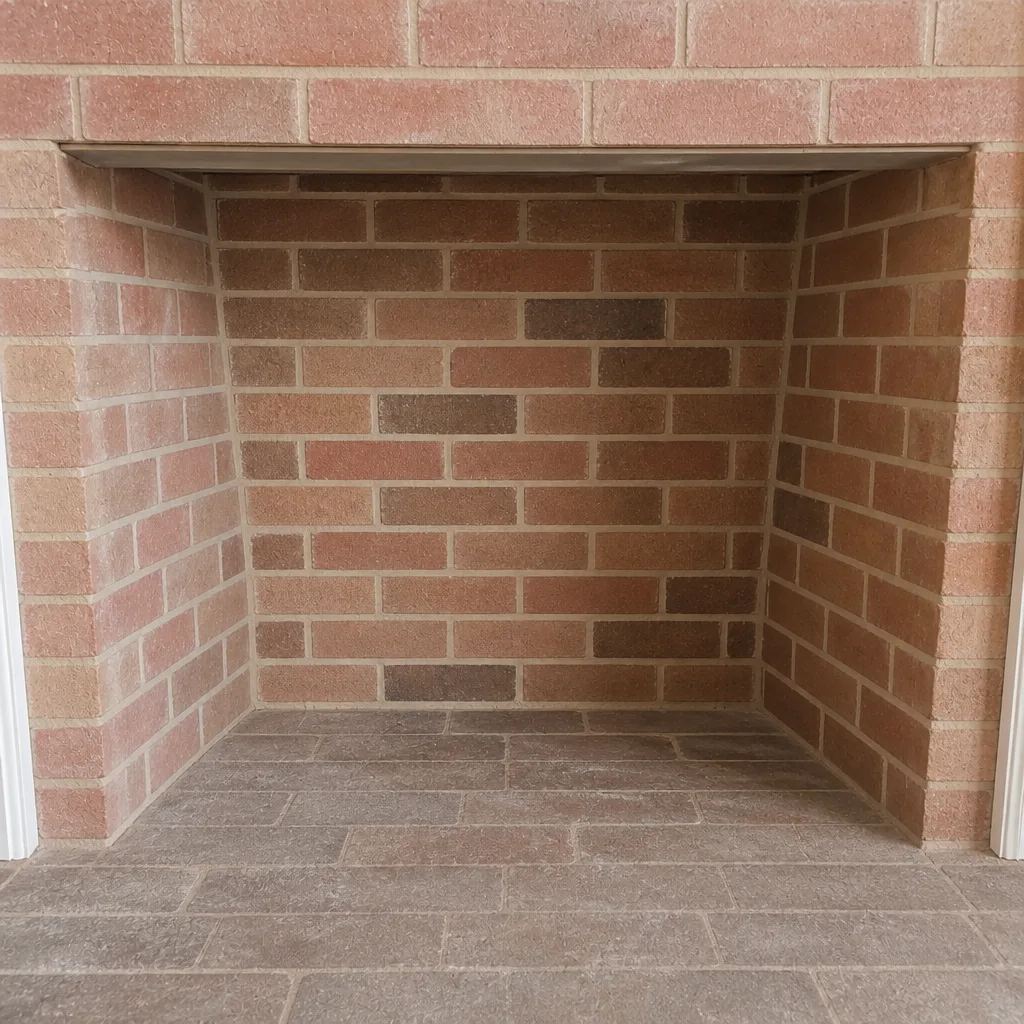
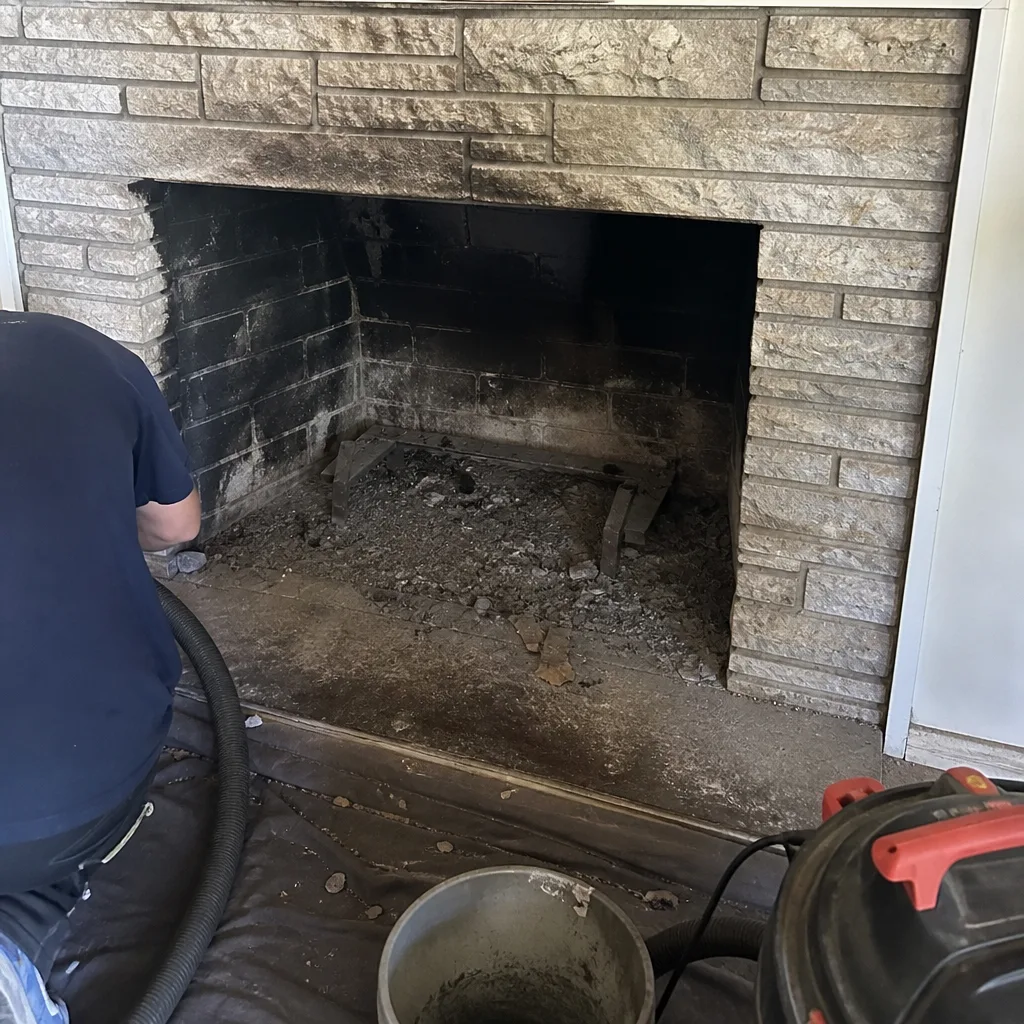
See the difference
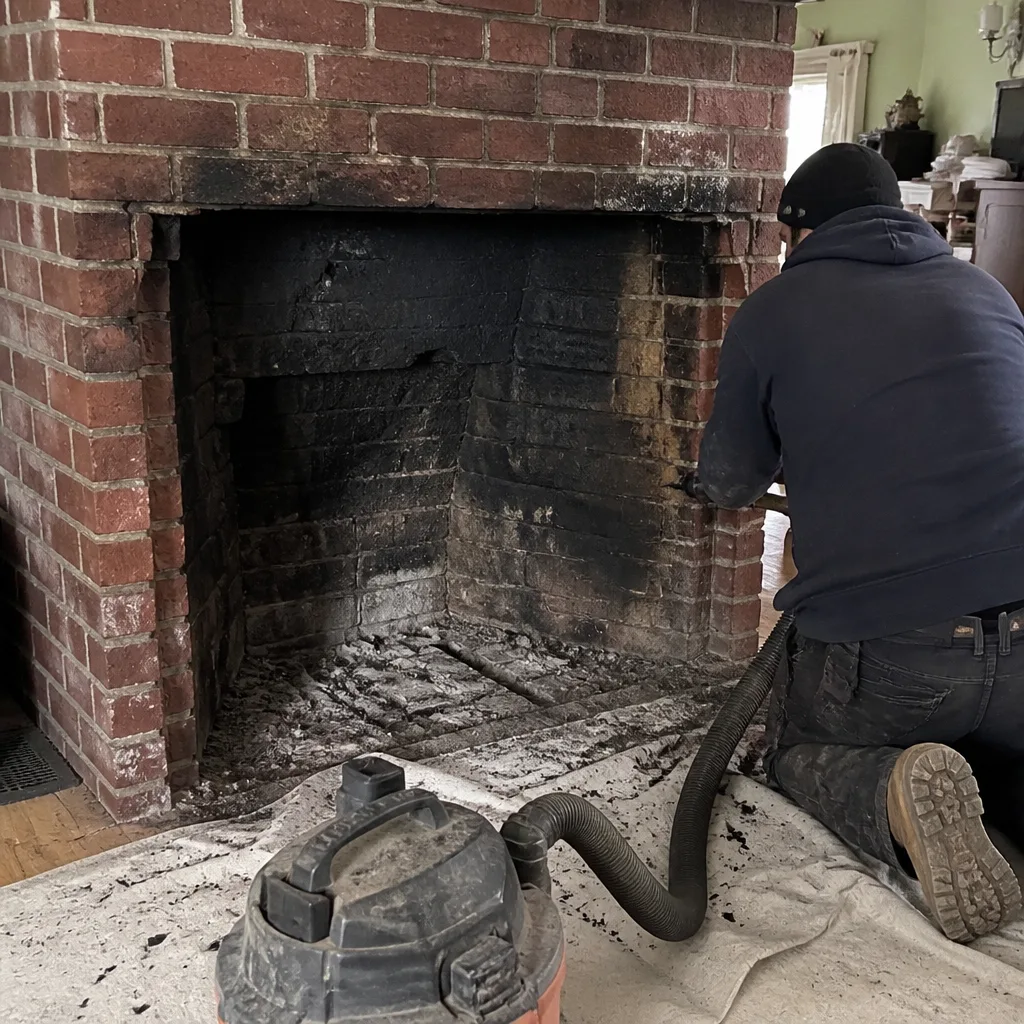 Before
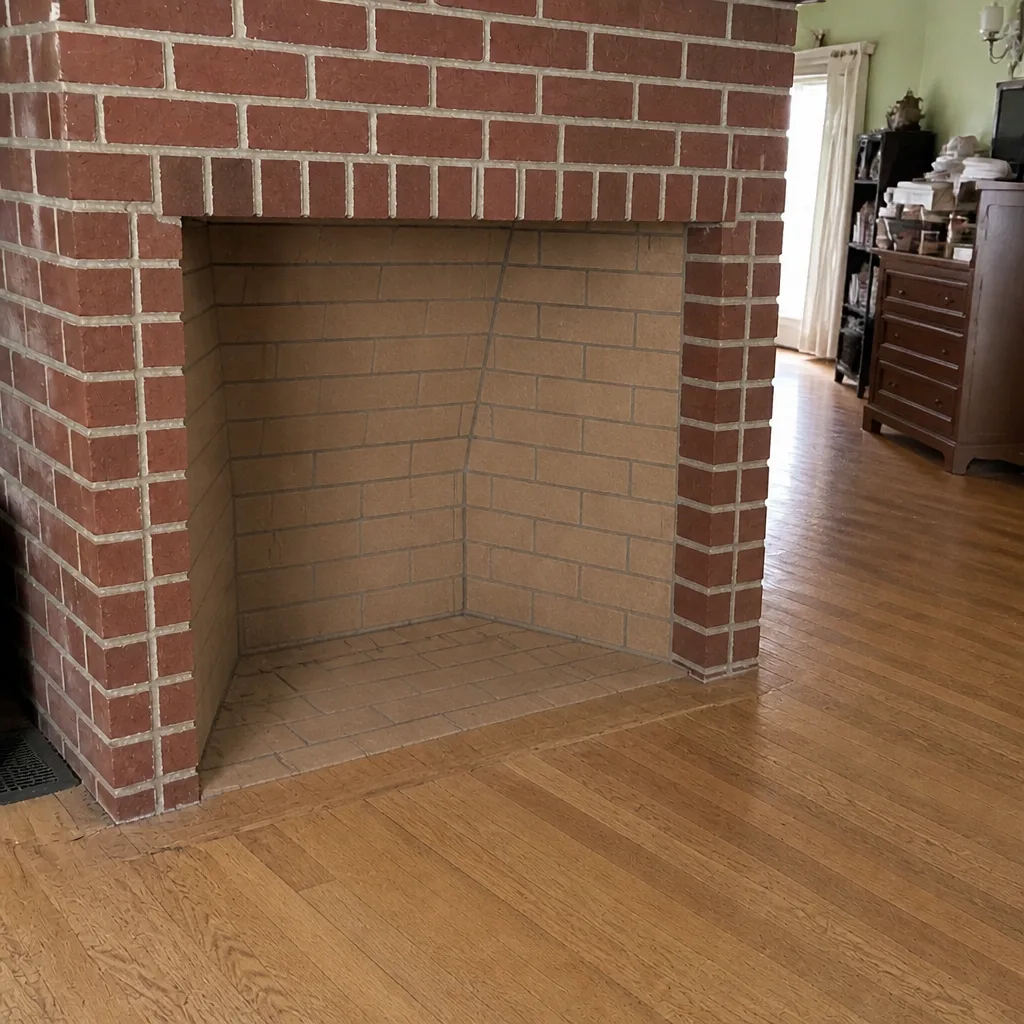 After
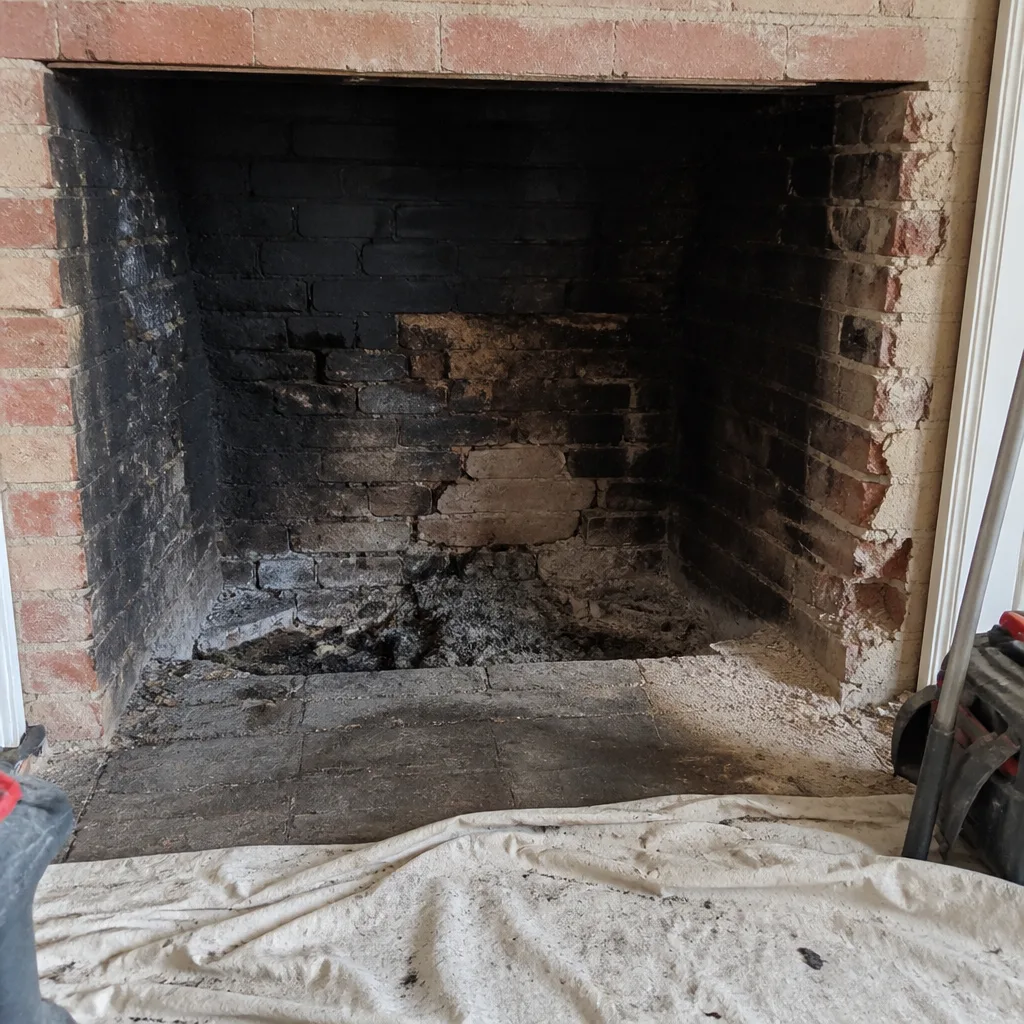 Before
 After
 Before
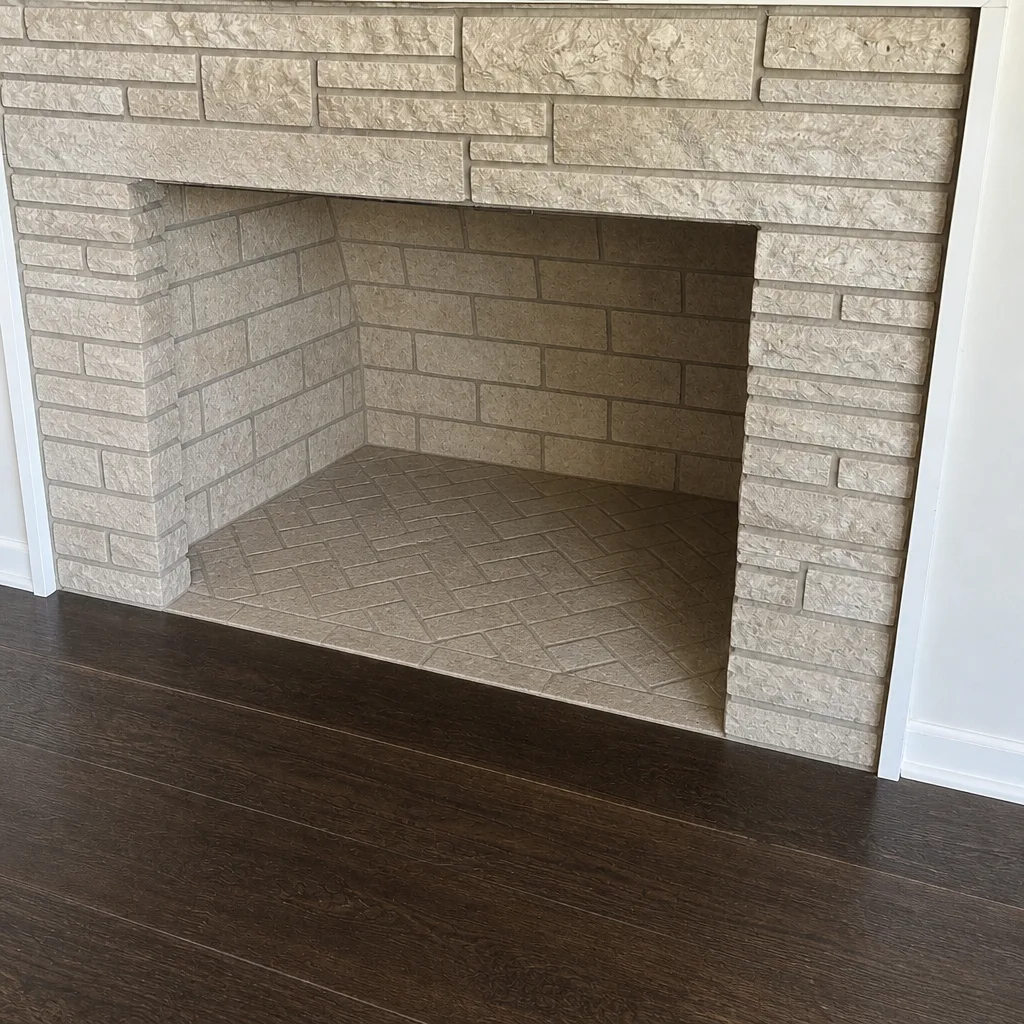 After
When to Call a Professional
Call a professional when you’re burning wood regularly and it’s been a season since the last sweep, when you notice a draft or smoky smell back-drafting into the room, when the fire struggles to draw, or when you’re preparing to list a home in Mayfair and need a clean, inspected chimney with documentation. Call when you see spalling masonry, a cracked crown, or a cap that’s rusted through. Don’t attempt a flue inspection yourself – climbing a roof and running a camera up a flue are jobs for trained hands, and the fall risk is real. Chimney Sweep Mayfair offers free estimates in Mayfair – call (888) 841-6695.
Frequently Asked Questions
Once a year is the standard for a chimney that’s used regularly, and heavier use means a sweep before the heating season rather than after. Mayfair’s cold winters mean most fireplaces here run long and hard, which builds creosote faster than mild climates do. If you burn more than a cord of wood a season, book annually before the cold sets in. Call (888) 841-6695 for an exact quote – estimates are free.
Only if a camera inspection shows failed joints, gaps, or a damaged clay tile, and you see the evidence yourself. A cracked liner joint lets smoke and heat escape into the surrounding structure, which is a real safety concern, but many flues are sound and don’t need relining at all. Ask to see the footage and ask whether HeatShield resurfacing could restore a deteriorating firebox without a full liner replacement in qualifying systems. Call (888) 841-6695 for an exact quote – estimates are free.
Creosote builds up on the flue walls, and heavy deposits are what catch fire inside the chimney – a chimney fire that can spread to the surrounding structure. Carbon monoxide risk also rises when a flue is partially blocked or a liner joint has failed. Skipping a sweep doesn’t cause immediate damage; it removes the diagnostic step that catches those problems while they’re still small. Call (888) 841-6695 for an exact quote – estimates are free.
The sweep is priced as a flat rate agreed before booking, and the written estimate sets the final price. Repair scope, liner work, or cap and crown work is quoted separately and only after a camera inspection shows what’s needed. A quote without line items isn’t a quote, so ask for the scope in writing. Call (888) 841-6695 for an exact quote – estimates are free.
Look for reviews that name technical specifics – a camera inspection, a material like DuraFlex or Gelco, a repair that paused to show the homeowner the evidence. Vague praise tells you the visit went smoothly; technical reviews tell you the contractor actually knows the trade. Reviews that describe a surprise charge are a warning about the quote structure.
Yes, and it’s the better arrangement. A dedicated chimney contractor handles the sweep, cap and crown, liner, rebuild, and firebox repair under one scope, which avoids scheduling multiple trades and multiple diagnostic visits. A generalist who only handles the sweep will hand you off the moment the flue needs repair. Call (888) 841-6695 for an exact quote – estimates are free.
The Bottom Line
Hiring a chimney cleaning contractor in Mayfair comes down to three things: verified credentials, a camera inspection, and a written quote with line items. CSIA certification, liability insurance, and PA registration are non-negotiable. A camera inspection is the diagnostic step that separates a specialist from a sweeper. Line-item pricing protects you from surprise charges on the roof. Mayfair’s cold winters and heavy seasonal burning make a fall sweep or an inspection before listing a home worth the effort, and the contractor who hands you evidence and tells you what can wait is the one worth hiring. Call (888) 841-6695. We answer 24/7. Fast dispatch from 7am to 7pm, Sunday through Friday.
Written by the team at Chimney Sweep Mayfair.