
Last updated November 22, 2026
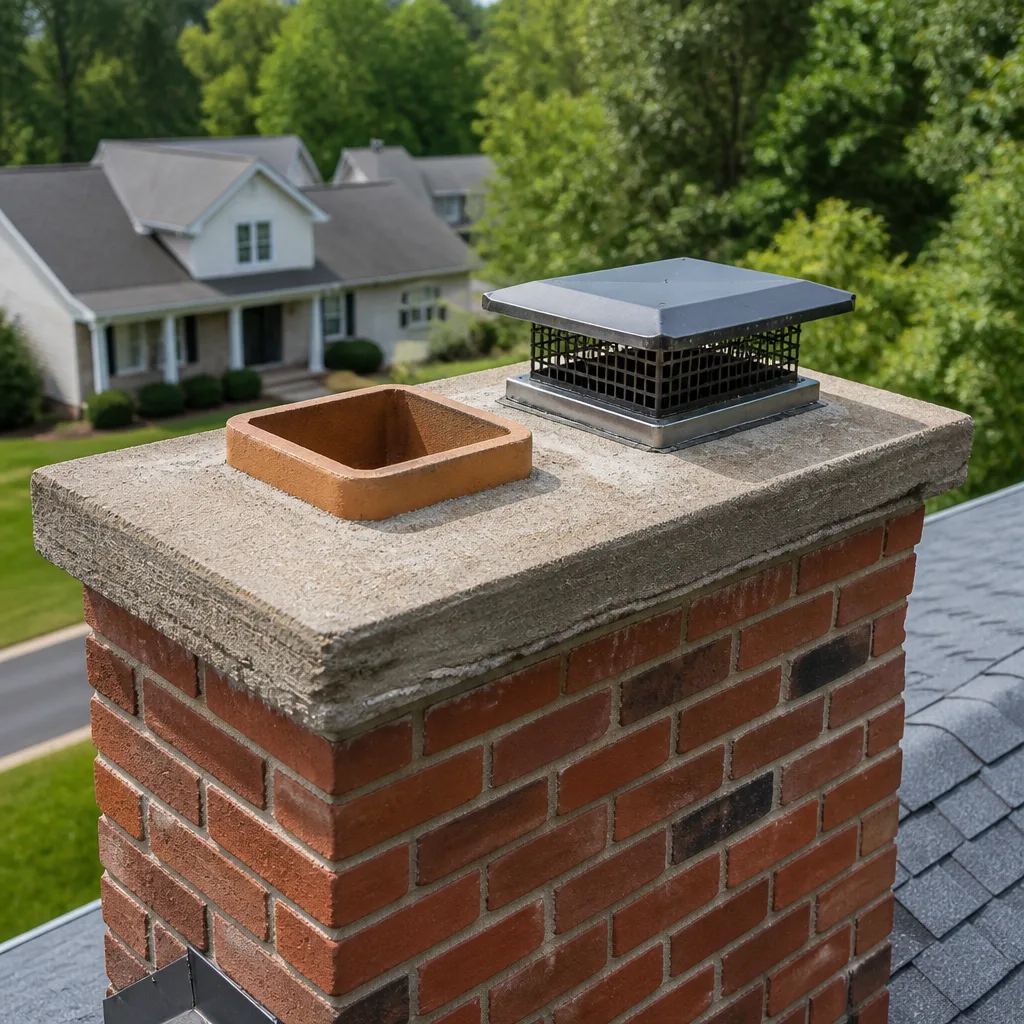 Sweep & inspection
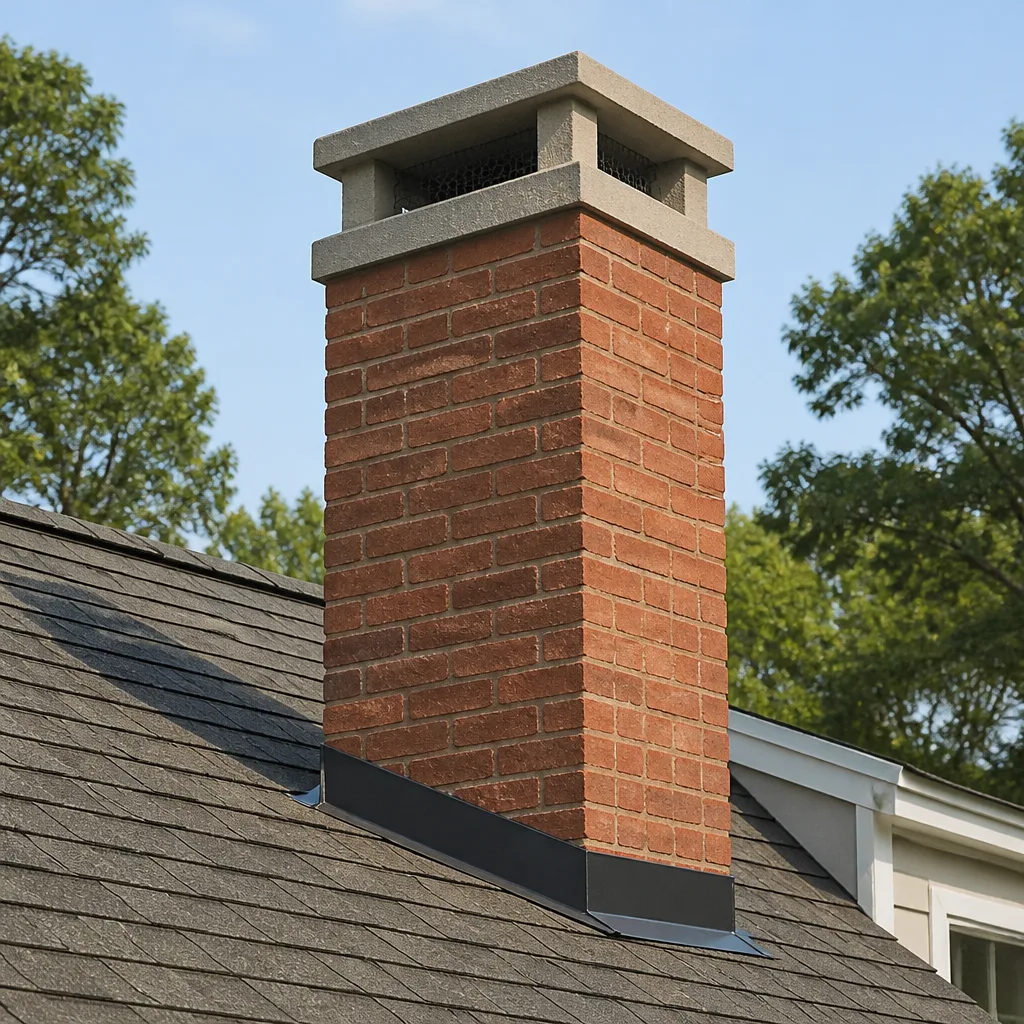 Caps & crowns
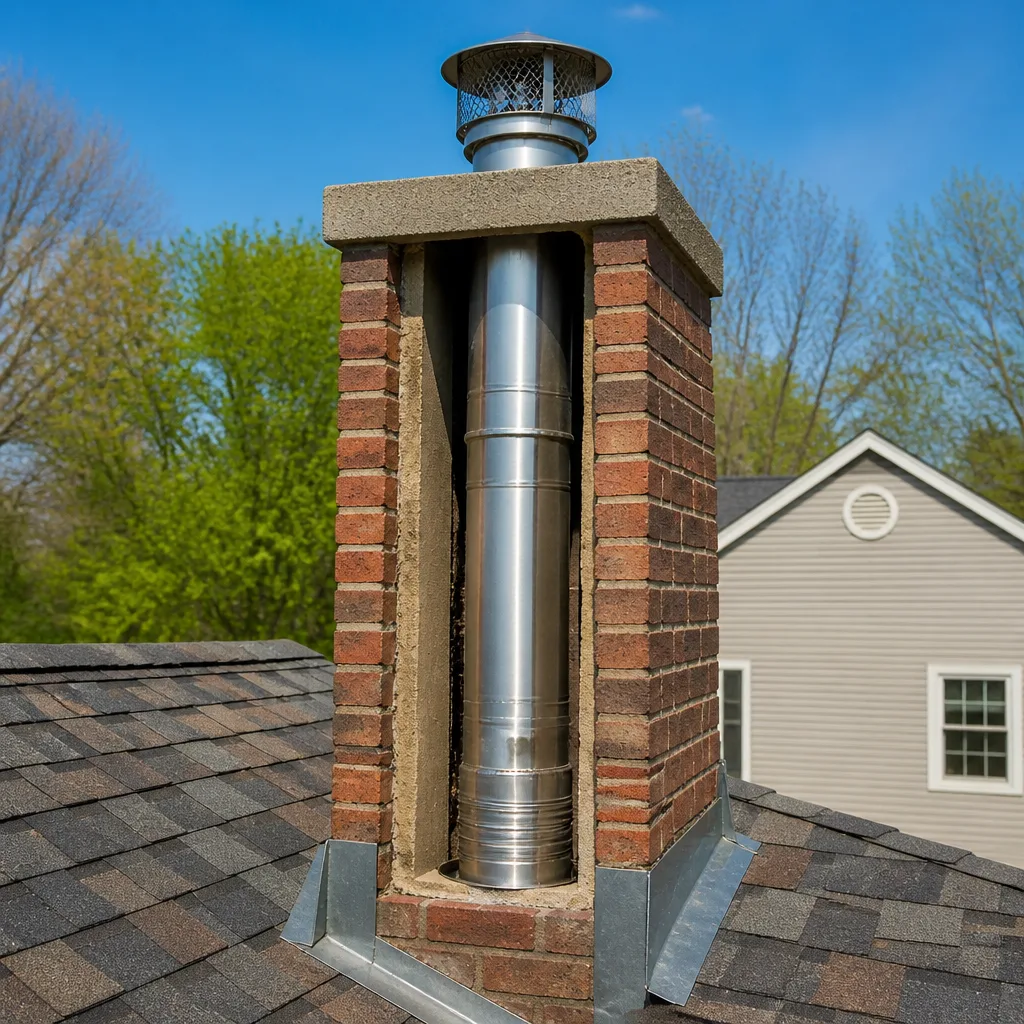 Flue relining
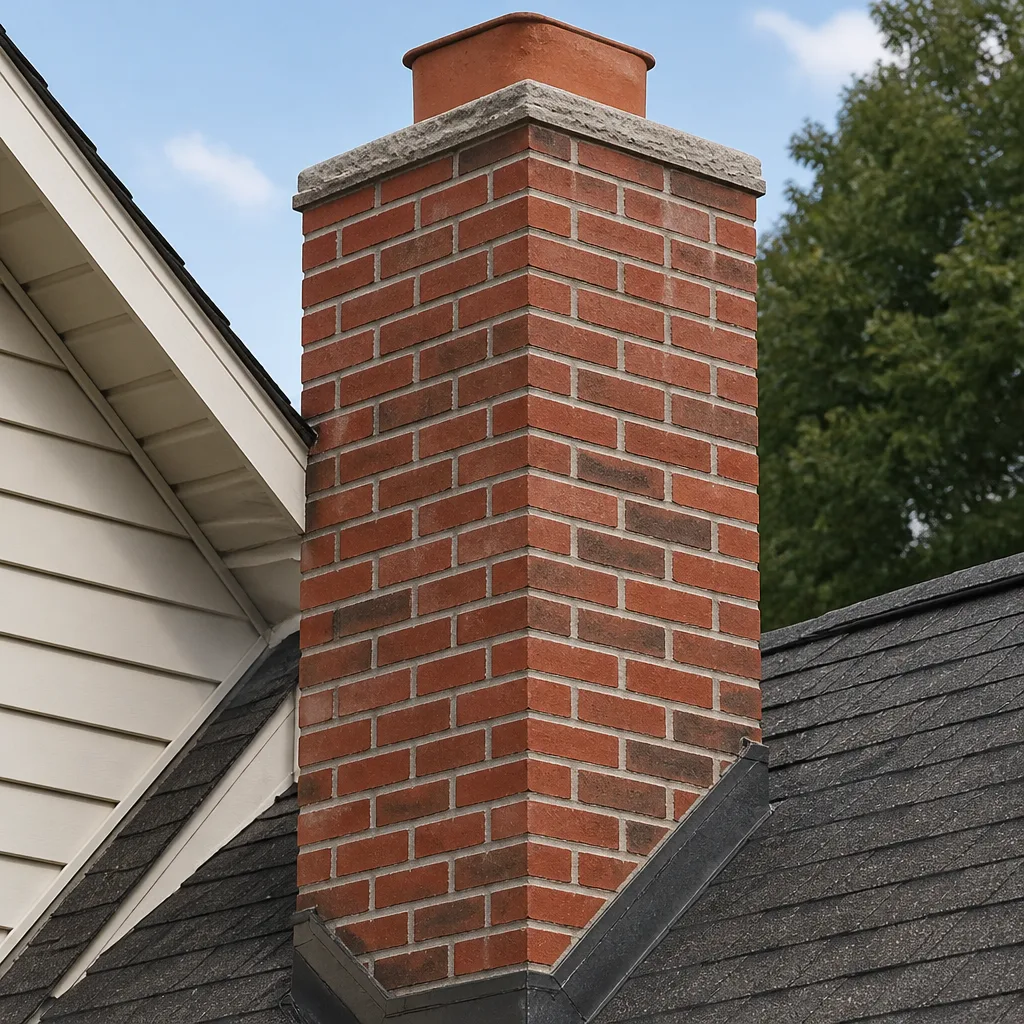 Masonry repair
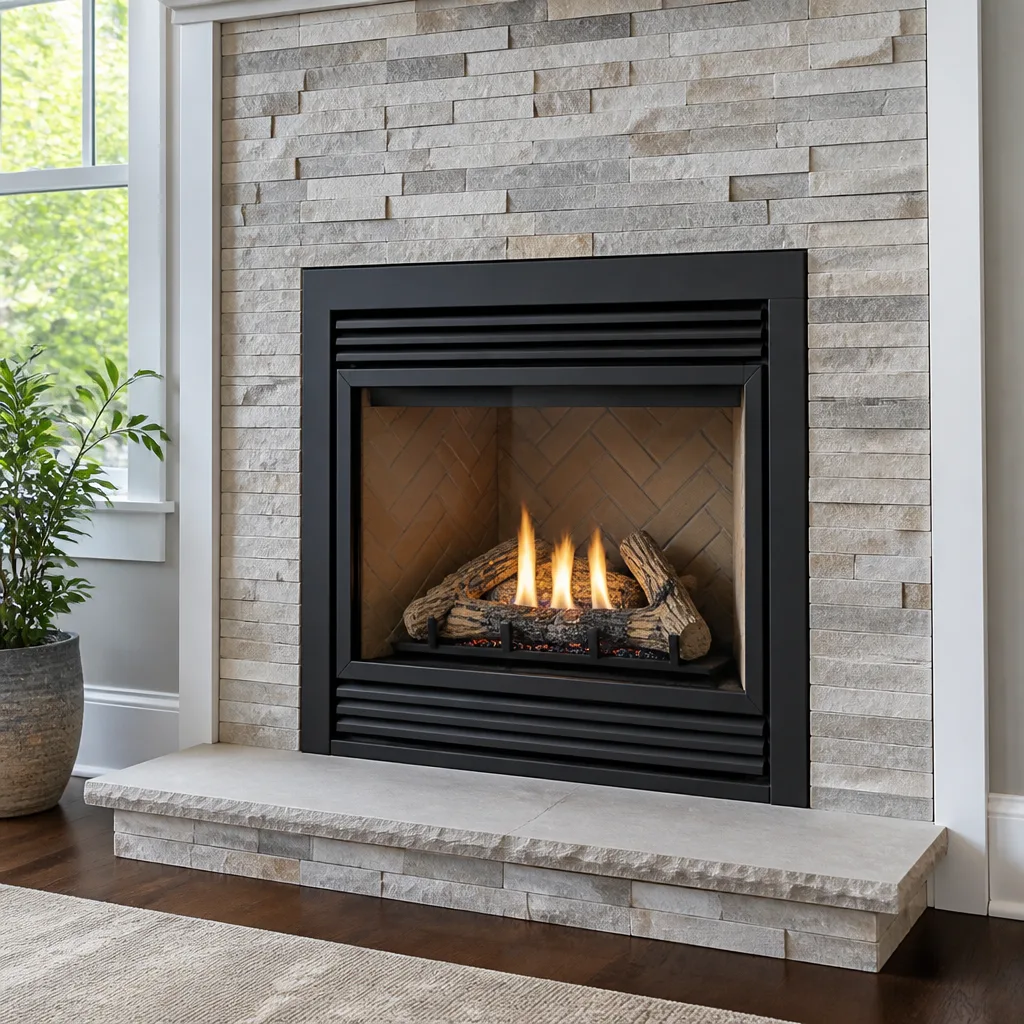 Gas fireplace service
Level 1 sweep and inspection to the NFPA 211 annual standard - flue, crown, cap, and flashing checked and photographed
Chimney sweep logs do not sweep chimneys. They loosen some creosote - which then falls where a brush and vacuum still have to collect it.
Seasonal Chimney Cleaning Care for Mayfair: Year-Round Homeowner’s Guide
Scheduling your chimney sweep in October isn’t wrong. It’s just late. By the time most Mayfair homeowners think about their flue, it has already spent an entire summer pulling in humid air, and whatever moisture damage happened between May and September is exactly what an October cleaning seals in place for the next burn season. Chimneys don’t fail from one dramatic event. They fail from a slow calendar of small stresses: winter combustion, spring thaw, summer damp, autumn neglect. This guide maps what your chimney is actually under stress from in each season here in Mayfair, and which maintenance action belongs in which window.
Quick Answer
The technically optimal time to sweep a chimney in Mayfair is late summer, roughly August into September, because it removes a full burn season’s creosote before the damper closes for the off months and it corrects summer moisture problems before the heating season begins. Spring is the season for inspecting masonry and the crown after freeze-thaw damage. Winter is for monitoring draft and creosote as you burn. Annual sweeping plus a spring structural check is the maintenance pattern that keeps a flue sound.
Styles & brands we work with
- Sweep & inspection
- Caps & crowns
- Flue relining
- Masonry repair
- Gas fireplace service
Table of Contents
- Why the Calendar Beats the Checkup
- What Winter Combustion Does to Your Flue Liner
- Spring: Freeze-Thaw, Nesting, and Moisture Intrusion
- Summer: The Quiet Season Where Masonry Fails
- Why Late Summer Is the Optimal Cleaning Window in Mayfair
- Mayfair’s Shoulder-Season Cold Snaps: What to Do, What Not To
- Off-Season Damper and Cap Checks That Prevent Warm-Weather Damage
- Common Mistakes to Avoid
Why the Calendar Beats the Checkup
Most chimney advice treats maintenance as a single event: sweep once a year and move on. That framing misses something important. A chimney is a masonry and metal assembly exposed to a full annual weather cycle, and different parts of it are stressed at different times. Creosote accumulates during the burn season. Masonry absorbs moisture when it’s wet and cold, then cracks when that moisture expands and contracts with frost. A flue that sat cold and damp all summer behaves differently on the first fire of autumn than one that was swept and dried out in August.
In Mayfair, the seasonal swing is wide enough to matter. Winter burns are real burns. Spring is wet. Summer is humid. Autumn is the transition where the entire system gets tested at once. Treating all four the same way, with one cleaning dropped somewhere in the middle, leaves the structure exposed during the season it’s most vulnerable.
What we’ve found is that homeowners who align their maintenance to the season get more from a single visit. A sweep in August isn’t just a cleaning. It’s the moment to correct anything the summer exposed before the heating season locks it in. A spring inspection isn’t just a look. It’s the point where winter damage gets caught while it’s still a repair rather than a rebuild. Both are simple ideas. They just work better when attached to the right month.
One more thing to know: chimney care is a system job, not a flue job. The crown, the cap, the firebox, and the masonry chase all matter as much as the inside of the pipe. A guide that only talks about sweeping ignores three-quarters of what actually determines whether your chimney stays sound through the next decade. If you’re starting from zero and need the basics first, our chimney sweep page covers the fundamentals before you work through the seasonal detail below.
What Winter Combustion Does to Your Flue Liner
Every fire you burn deposits something on the inside of the flue. That’s not a criticism of your wood or your habits. It’s chemistry. Wood smoke carries unburned gases, water vapor, and fine particles up the flue. As the gases cool against the flue walls, they condense, and what condenses is creosote. The slower the flue gases move, the cooler they are by the time they reach the top, and the more deposits stick to the liner surface.
A clean-burning fire with seasoned hardwood and good draft leaves a thin, dry, flaky layer. A slow, smoldering fire with damp wood leaves something darker and stickier. Both are creosote. The sticky kind is the one that matters, because it’s the kind that can ignite.
What accumulates over a burn season
Over the course of a winter in Mayfair, a fireplace used regularly will build a measurable layer of creosote inside the flue, plus a soft layer of soot on top of it. If your liner is stainless steel, the creosote is a fire risk and a corrosion risk. Deposits hold moisture against the steel. Over years, that’s how pinholes form. If your chimney is unlined or clay-lined, the risk profile is higher, because the surrounding masonry was never designed to be the fire barrier.
We specify chimney repair materials from HeatShield and DuraFlex for a reason. HeatShield restores deteriorating fireboxes and flue joints without demolishing the chimney, which matters because a firebox that’s spalling is a sign the burn season has been eating into the masonry. DuraFlex flexible stainless steel liners are the standard professional installers specify for relining, and they’re the right answer when a liner has been compromised by years of unaddressed creosote contact.
What to watch for during the burn season
- Draft that weakens over the winter rather than staying steady, which usually means the flue is narrowing.
- A smell of smoke in the room when the fire is burning, indicating the flue isn’t pulling cleanly.
- Blackened glass on a wood stove, or a fire that’s hard to keep lit, both signals of restricted airflow.
- Visible flaky or glossy buildup at the top of the firebox, which is where creosote shows itself first.
None of these are emergencies by themselves, but all of them are signals to book a sweep rather than push through the rest of the winter. The safe approach is to stop burning when draft is clearly compromised and have the flue checked before the next fire.
Spring: Freeze-Thaw, Nesting, and Moisture Intrusion
Spring is the season most homeowners skip, and it’s the one where the biggest structural work happens. Here’s why. Mayfair sees enough hard frost and enough wet spring weather that masonry goes through regular freeze-thaw cycles. Water gets into a small crack or pore in the crown or the brickwork, freezes overnight, expands, and forces the crack wider. Spring thaw then lets more water in. Repeat that through the shoulder months and a hairline crack at the crown becomes a real breach.
That’s the cycle that drives the most expensive chimney damage we see. It’s also the easiest to catch, if the check happens in the right season.
What a spring inspection is actually looking for
- Crown condition. The crown is the sloped concrete cap at the very top of the chimney. It’s supposed to shed water away from the flue. When it cracks or spalls, water runs straight down into the chimney instead.
- Chase cover and cap integrity. A missing or damaged cap lets rain, birds, and squirrels straight into the flue.
- Spalling brick and failing mortar joints. These are often invisible from the ground but obvious on a proper inspection.
- Animal nesting. Spring is when birds and squirrels look for sheltered spots, and a flue without a proper cap is a very sheltered spot.
- Moisture intrusion at the smoke chamber and firebox. Rusted damper components and crumbling firebox mortar are the visible signs.
Animal nesting deserves a specific note. A nest in the flue is more than a nuisance. It blocks draft, it’s combustible, and it often comes with debris that falls into the smoke chamber. If you’ve heard scratching or birdsong coming from the chimney, book a sweep before the next fire. Our chimney cap & crown work exists precisely so the next spring doesn’t bring the same problem back, and we specify Gelco and Famco caps because they’re built to fit the flue properly and stand up to weather instead of sitting loose on the top.
Summer: The Quiet Season Where Masonry Fails
Summer is when everything looks fine. The damper is closed, the firebox is cold, and nothing about the chimney asks for attention. Underneath, the system is quietly working against you.
Warm humid air rises into a cold flue. That’s the classic summer chimney condition. Humid air carries moisture with it, and when it cools against the inside of a masonry chimney, it condenses on the flue walls and the smoke chamber. But it also works into the masonry itself, especially if the crown is cracked or the mortar is starting to fail. A chimney that was sound in November can develop visible damage by August, and much of it originates in the damp, idle months.
The warm-weather failure mode
Here’s what typically happens over a summer in Mayfair. Moisture enters the masonry through a small defect at the crown or a hairline crack in the chase. Some of it evaporates during the day. Some of it stays. If the summer is humid, that moisture sits in the masonry for weeks at a time. The mortar softens. The brick face begins to spall. Steel components inside the chimney, the damper, the liner, the cap fasteners, start to corrode.
None of this announces itself. It’s the opposite. It’s quiet, gradual, and invisible until it isn’t.
What a summer check should confirm
- The damper is fully closed when the fireplace is out of use, and not propped open to “air it out.” An open damper in summer is an open door for humid air.
- The cap is intact and correctly seated, which is how you keep rain, animals, and debris out of the flue during the warm months.
- The crown is watertight, because a wet crown is the most common cause of interior chimney water damage.
- No signs of staining on the exterior masonry or interior ceiling around the chimney chase.
This is also the right moment to look at the firebox. Summer is when a firebox that took a beating in winter sits idle and reveals itself. If the firebox floor is cracking or the mortar joints are pulling away, that’s the season to schedule the HeatShield work rather than waiting until the heating system demands it. HeatShield-qualified application can restore a deteriorating firebox without full liner replacement in qualifying systems, which is a decision best made calmly in July rather than urgently in November.
Why Late Summer Is the Optimal Cleaning Window in Mayfair
Late summer is the sweet spot, and the reason is simple. August and September are after the worst of the summer humidity has passed but before the burn season starts. A sweep at that point removes the full winter’s creosote plus whatever summer soot and debris accumulated, checks the crown and cap after the wet season, and leaves the chimney dry, clean, and ready to burn the moment the first cold evening arrives.
Compare that to the classic October sweep. By October, the shoulder-season moisture has already worked its way into the crown if there’s a defect, and the first fires of autumn have already started depositing fresh creosote on the summer buildup. You’re cleaning a system that’s been quietly getting worse for two extra months, and you’re doing it at the moment professionals are busiest.
The case for the August-September window
- You’re picking up everything from the prior winter. Creosote, soot, and debris from the burn season are all still in the flue, ready for removal.
- You’re catching moisture damage while it’s still fixable. Crown cracks and mortar defects that developed over the summer get addressed before autumn rain hardens the problem.
- You’re clean before the first fire. The first cold snap always arrives earlier than expected. A chimney swept in August is ready for it.
- You have time for repair work if it’s needed. Liner replacement and rebuilds take planning. Sending the sweep in August means a repair found then can be scheduled without pressure.
- Scheduling is calmer. Not a decisive factor but a real one. If you’re going to need a proper inspection and repair estimate, having the calendar on your side makes the whole thing simpler.
The one caveat is that late summer is when we recommend the sweep, not the structural repairs. Repairs are usually better done in spring, once the weather has shown you which parts of the masonry need work. Sweeping in August, inspecting in spring, and reviewing the whole system annually is the pattern we’ve found works best for a Mayfair climate.
Mayfair’s Shoulder-Season Cold Snaps: What to Do, What Not To
Here’s the situation locals know well. It’s mid-October or early November, the weather turns colder than expected, and the fireplace is suddenly the most appealing thing in the house. Nothing wrong with that. But if you’re burning before a recent sweep, the way you burn it matters more than whether you burn.
If you haven’t had a recent sweep
- Do burn a short, hot fire rather than a long, smoldering one. A hot fire moves gases up the flue quickly and deposits less. A cold, dampened-down fire is where the worst creosote forms.
- Do burn dry wood only. Seasoned hardwood burns with less water vapor and less creosote. Unseasoned wood or wet wood is the opposite.
- Do check the flue for obvious obstructions before the first fire. A visual look up the firebox at the damper and the first section of flue costs nothing.
- Don’t fill the firebox with a big load of wood your first fire. Small, hot fires keep the pipe warmer and the draft stronger.
- Don’t ignore a smell or a puff of smoke in the room. That’s draft failing, and the safe response is to stop burning and book a sweep.
This is the one time of year when judgment matters as much as the schedule. A short cold snap in a Mayfair home with an unswept flue is usually fine if handled carefully. What’s not fine is treating a shoulder-season burn as a reason to skip the sweep altogether. Booked for the next opening is still the right call, whether that’s in the current cold snap or the next warm spell.
If your sweep is already booked and the cold snap lands first, the careful approach above is a stopgap, not a replacement. A proper sweep and inspection from a dedicated specialist is still the right move before the season properly sets in. That’s why the year-round pattern matters. If you’ve maintained your chimney on the seasonal schedule, this situation never really comes up.
Off-Season Damper and Cap Checks That Prevent Warm-Weather Damage
Two components do most of the warm-weather defense work: the damper and the cap. Both are simple. Both fail quietly. Both are cheap to fix when caught early and expensive when ignored.
The damper
The damper is the metal plate that opens when the fireplace is in use and closes when it isn’t. Its job in the off-season is to keep the flue sealed against the outside air. An open damper in summer is, functionally, an open chimney. Warm humid air enters, cools against the masonry inside the chimney, and deposits moisture. Over a summer, that’s the mechanism that drives most of the interior water damage we see in Mayfair.
Check the damper at the start of summer and again at the end. Confirm it closes flush, that the hinge operates freely, and that there’s no rust or warping holding it open. If the damper has failed, that’s a real finding and worth addressing before the next burn season. A damper that doesn’t close is a chimney that’s always breathing outside air.
The cap and crown
The cap and crown are your chimney’s defense against the elements. The cap keeps rain, animals, and debris out of the flue. The crown is the concrete slope at the top that sheds water away from the chimney. Neither should ever be “probably fine.” Both should be visually confirmed sound.
We specify Gelco and Famco caps and draw through Olympia Chimney and Copperfield for a reason. The trade-available caps are built to fit specific flue sizes properly and stay weather-tight through seasons, not just until the first storm. Big-box hardware caps often fit loosely, which is the opposite of what you need from a component whose entire job is to seal the top of a chimney.
If your cap is missing, loose, or visibly damaged, book the fix before autumn. A damaged cap is a minor repair in August and a much bigger job after a season of weather intrusion. This is also where full-system service pays off. When the sweep and the cap work and any liner or firebox concerns are all handled by the same specialist, you’re not coordinating three separate trades for one chimney. If you want to read more about the whole-service approach, our Chimney Sweep Mayfair page walks through the full scope.
Common Mistakes to Avoid
- Waiting until October to sweep. You’re cleaning a flue that’s had a full summer of moisture exposure and sealing that damage inside for the next burn season. Late summer is the better window.
- Skipping the spring structural check. The crown is the single most common failure point on a Mayfair chimney, and spring is the season freeze-thaw damage shows itself. Missing it lets a small crack widen into a rebuild.
- Leaving the damper open “to air the chimney out.” Summer humidity works the opposite way. A sealed damper keeps warm humid air out of the flue; an open one invites it in.
- Burning without a proper cap. A missing or undersized cap lets animals nest, lets rain in, and leaves the flue unprotected through every season. Specify a fitted cap, not a universal one.
- Treating a firebox as a “next year” problem. Fireboxes spall and mortar joints fail over multiple seasons, but the fix is much less invasive if it happens before the firebox loses structural integrity. HeatShield restoration is designed for exactly this stage.
- Sweeping without inspecting the whole system. A chimney is a firebox, liner, smoke chamber, crown, and cap working together. Cleaning one part and ignoring the rest misses the parts most likely to cause trouble in the next season.
- Assuming a stainless liner is maintenance-free. It isn’t. Creosote holds moisture against stainless steel, and long-term contact is how pinholes form. Annual sweeping matters for lined chimneys too.
See the difference
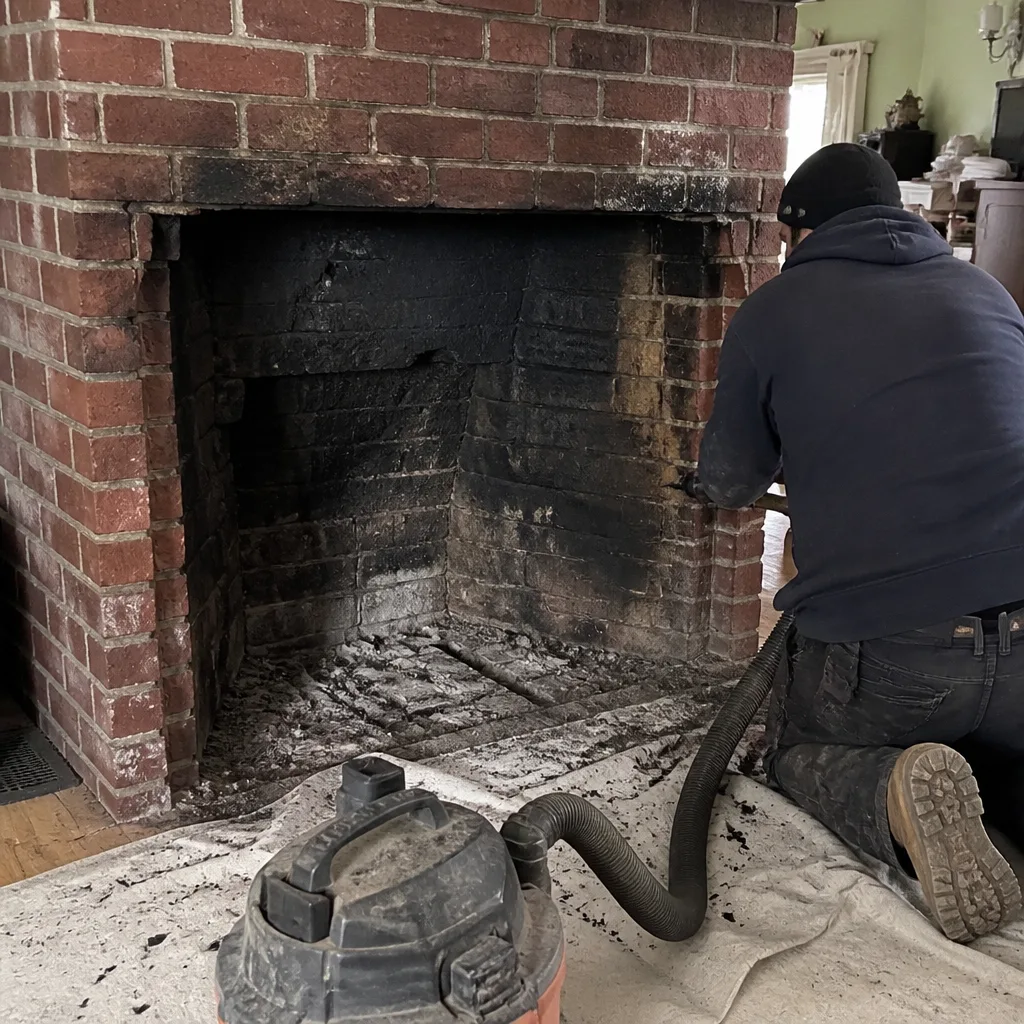 Before
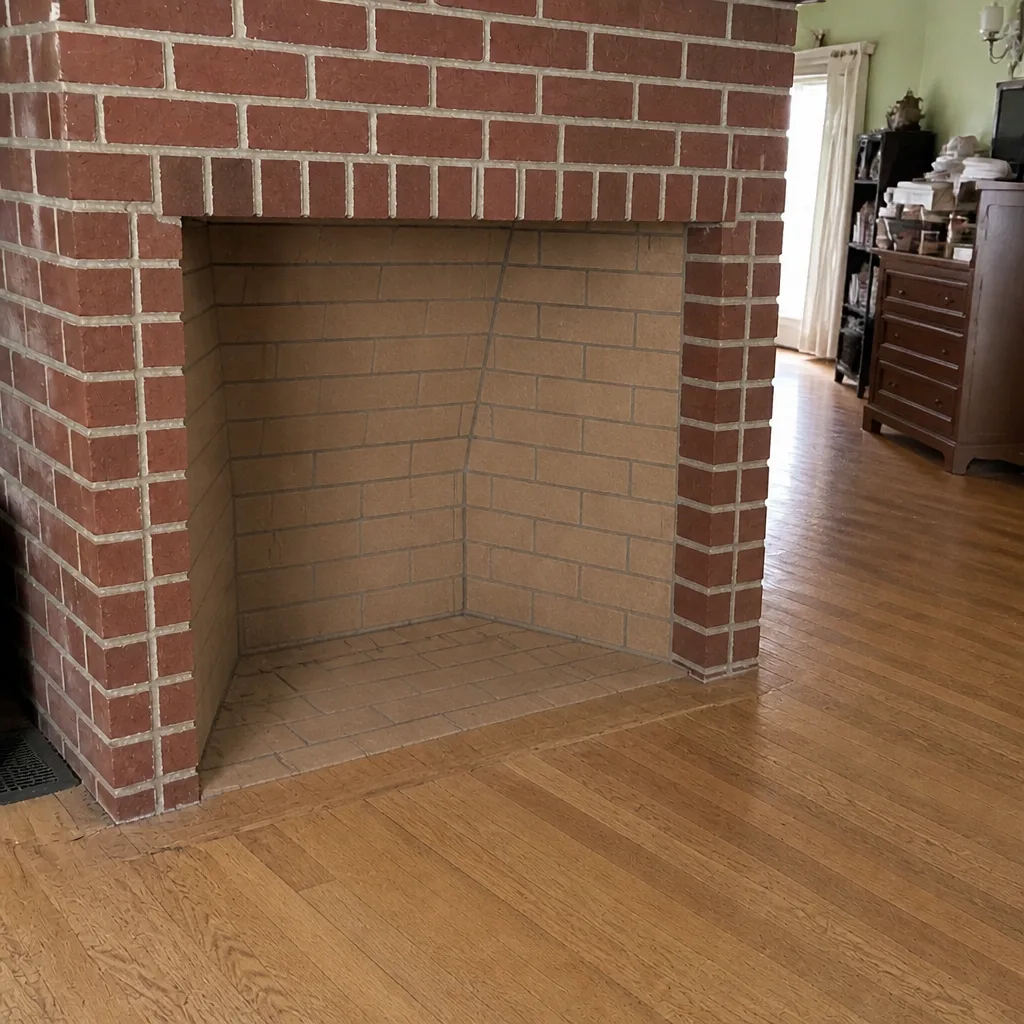 After
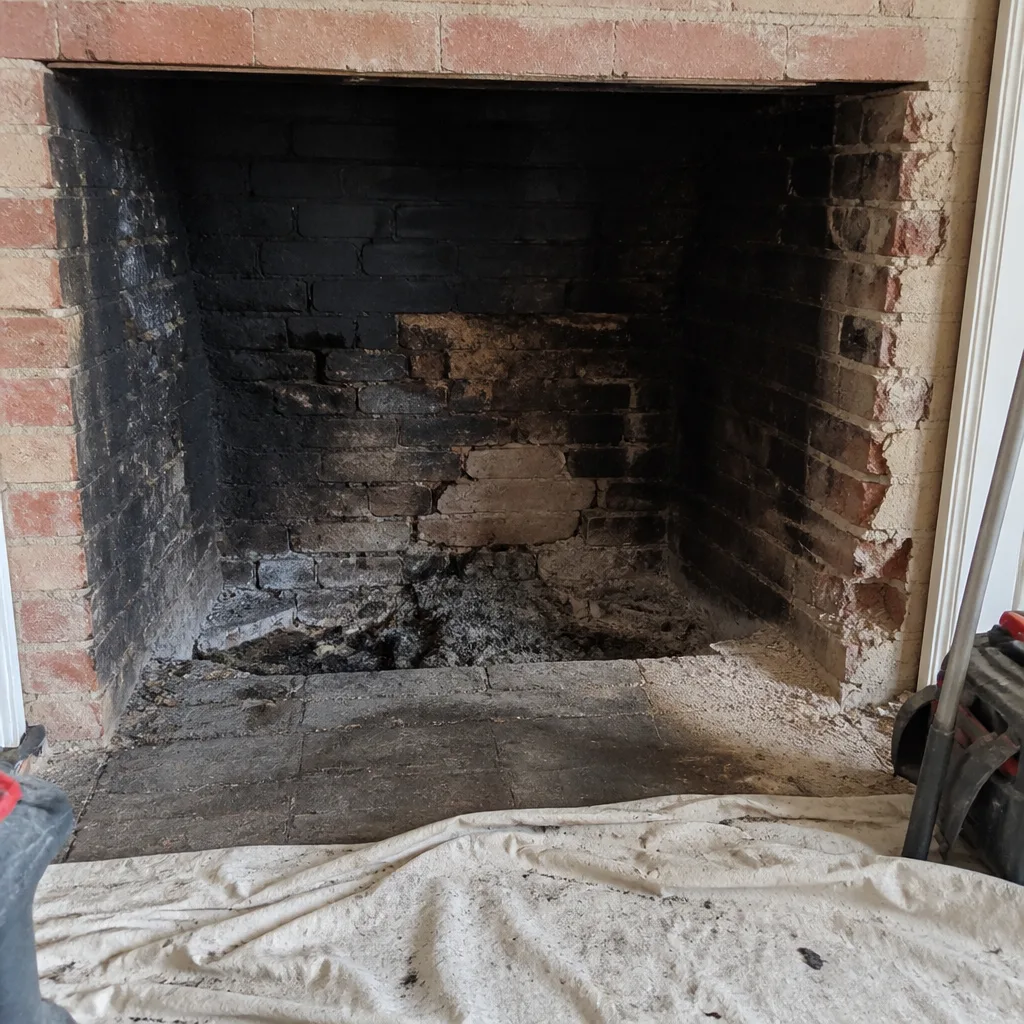 Before
 After
 Before
 After
When to Call a Professional
Some chimney care is a homeowner’s job: checking the damper, confirming the cap is seated, keeping the firebox clear, and burning seasoned wood. Certain things need a trained professional. Book a professional inspection if you see visible creosote buildup, if the firebox has cracking or crumbling mortar, if draft has weakened noticeably, if there’s staining on the chimney exterior or the ceiling near the chase, if any animal activity has been heard in the flue, or if it’s been more than a year since the last sweep. Liner work, firebox restoration, cap replacement, and any structural repair should always be done by a specialist rather than a generalist handyman. Chimney Sweep Mayfair offers free estimates in Mayfair. Call (888) 841-6695 to book one. We answer 24/7. Fast dispatch from 7am to 7pm, Sunday through Friday.
Frequently Asked Questions
Once a year for a regularly used fireplace, and more often if you burn heavily or use unseasoned wood. The annual sweep should be paired with an inspection of the crown, cap, and firebox so the whole system gets checked at the same time. If your chimney is unlined or has a clay liner, we recommend keeping the schedule strictly annual rather than stretching it. Call (888) 841-6695 to book a sweep and inspection.
Late summer, roughly August through September, is the technically best window, and spring is the best time for the structural inspection. A fall sweep still works but happens after the summer moisture damage has set in, so the seasonal schedule pairs a late-summer sweep with a spring crown and masonry check. Call (888) 841-6695 for an estimate on either service.
Yes. An open damper in summer is the single most common driver of interior chimney moisture damage. Warm humid air rises into the flue, cools against the masonry, and condenses. That moisture drives spalling, damper corrosion, and interior liner problems over time. Check that the damper closes flush at the start of summer. Call (888) 841-6695 for an inspection if you’re not sure it’s sealing properly.
One carefully tended fire in a shoulder-season cold snap is usually fine. Burn dry wood, build a short hot fire rather than a long smoldering one, and watch for smoke in the room or weakening draft. If either appears, stop burning and book the sweep. The bigger risk is treating the cold snap as a reason to push the sweep back. Call (888) 841-6695 to book before the season starts.
No. A cracked crown lets water into the masonry and drives freeze-thaw damage through the winter. What looks like a hairline crack in August is often a grown crack by spring. Book an inspection during the current season. If the crown is intact and only the surface is stained, that can be checked and deferred with a professional opinion. Call (888) 841-6695 for a free estimate.
Yes. A stainless liner doesn’t stop creosote building up, and creosote holds moisture against the steel, which is how liner pinholes form over years. Annual sweeping is a maintenance task for lined chimneys too, and it also gives you the chance to catch liner joint failures before they become bigger repairs. Our crews work with DuraFlex liners, the professional standard for relining, and can inspect your existing one. Call (888) 841-6695.
The Bottom Line
The right chimney maintenance in Mayfair is a season-by-season pattern rather than a single annual event. Late summer is the optimal sweep window because it removes the burn season’s creosote before the next fire, and it catches summer moisture problems while they’re still small. Spring is the structural check, where freeze-thaw damage to the crown and masonry is caught early. Summer is the season to keep the damper closed and the cap intact. Winter is when you monitor draft and burn clean. Pair that pattern with a proper inspection once a year and your chimney will hold up over the long haul. Chimney Sweep Mayfair handles the full chimney envelope, from sweep and cap to liner, repair, and rebuild, so you’re dealing with one specialist rather than several. Call (888) 841-6695 for a free estimate.
Written by the team at Chimney Sweep Mayfair.